Bad Handwriting Reader: How to Decipher Illegible Writing | Handwriting OCR

Bad Handwriting Reader

Last updated

Bad Handwriting Reader: Turn Illegible Scribbles into Clear Digital Text

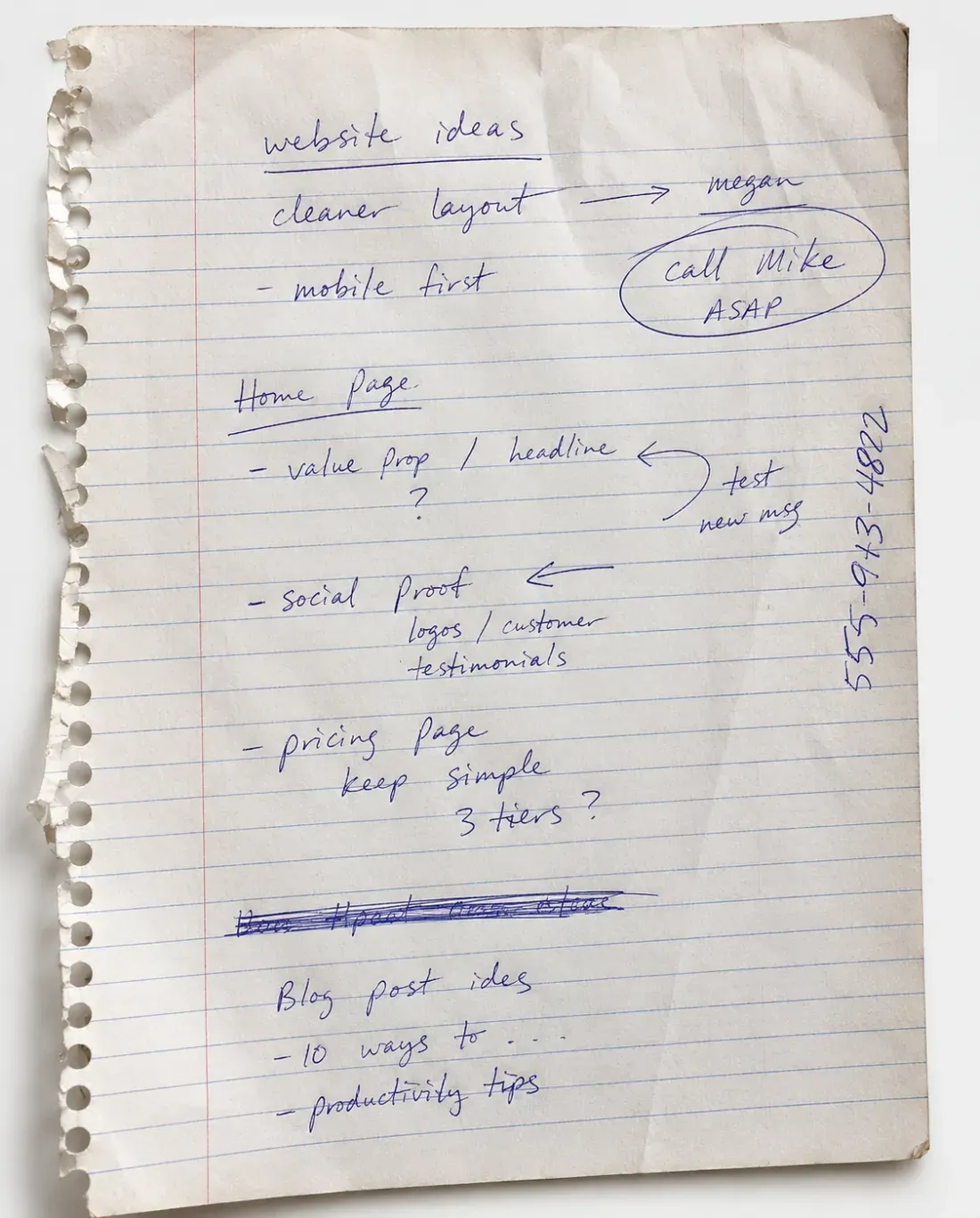
You're staring at a handwritten note, squinting at loops and scribbles that might as well be hieroglyphics. The frustration builds. Is that an 'a' or an 'o'? Does this word say "meeting" or "mailing"? You've wasted fifteen minutes trying to decode three sentences, and you're no closer to understanding what's written.

Bad handwriting isn't just annoying. It wastes time, causes errors, creates miscommunication, and can even cost money when critical information gets misread. Whether you're dealing with historical documents, medical records, customer forms, or simply trying to understand your colleague's meeting notes, illegible handwriting is a problem that demands a solution.

That's where a bad handwriting reader changes everything.

What Is a Bad Handwriting Reader?

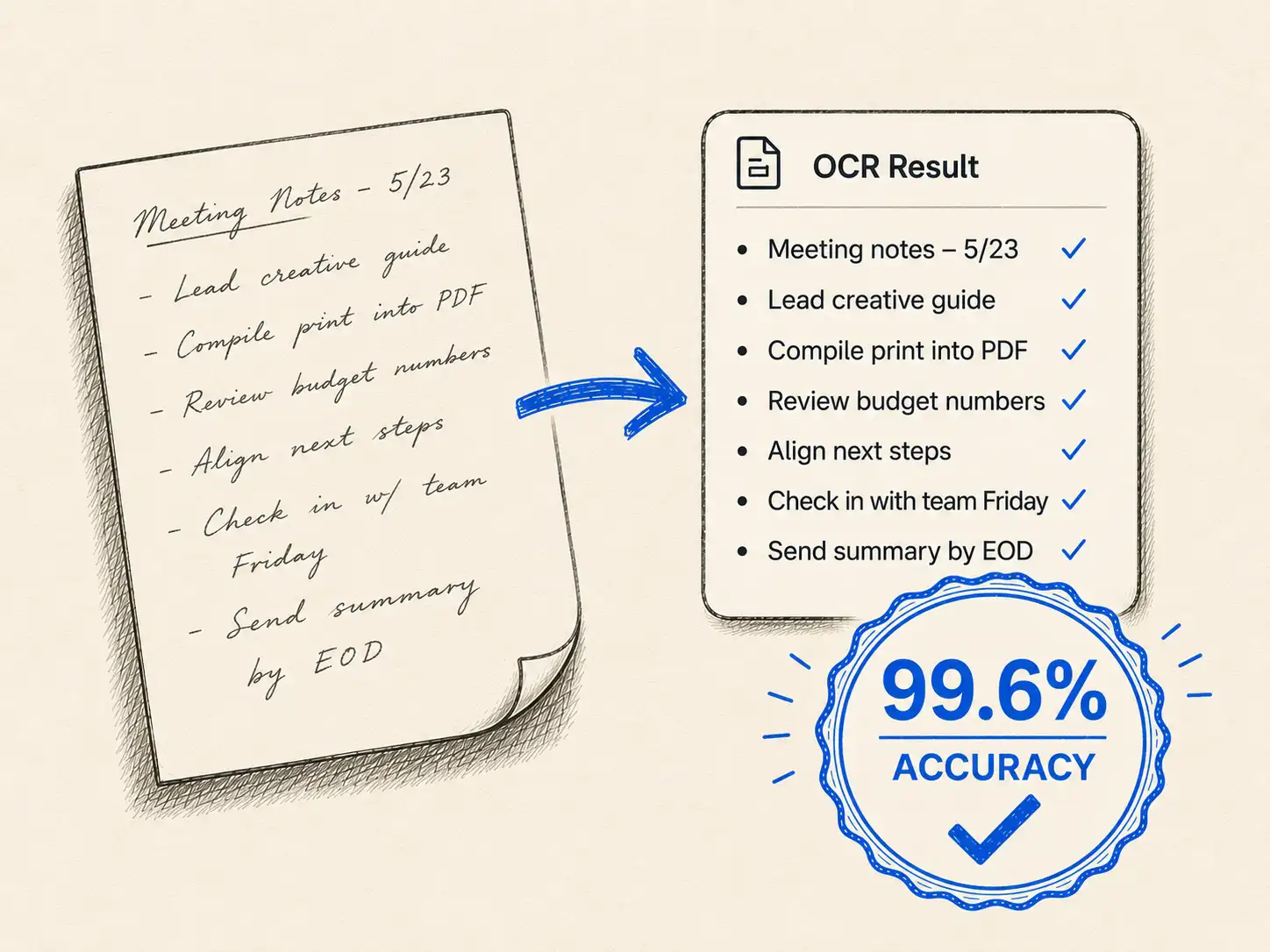
A bad handwriting reader is an AI-powered tool that analyzes and decodes illegible, messy, or poorly written handwriting and converts it into clear digital text. Unlike traditional OCR (Optical Character Recognition) that only works with printed text, modern handwriting recognition technology uses advanced machine learning to interpret even the messiest scribbles.

HandwritingOCR combines multiple AI models trained on millions of handwriting samples to read what humans often can't. The system recognizes patterns, context clues, and letter formations that make sense of writing that would take you hours to decipher manually.

How It Works

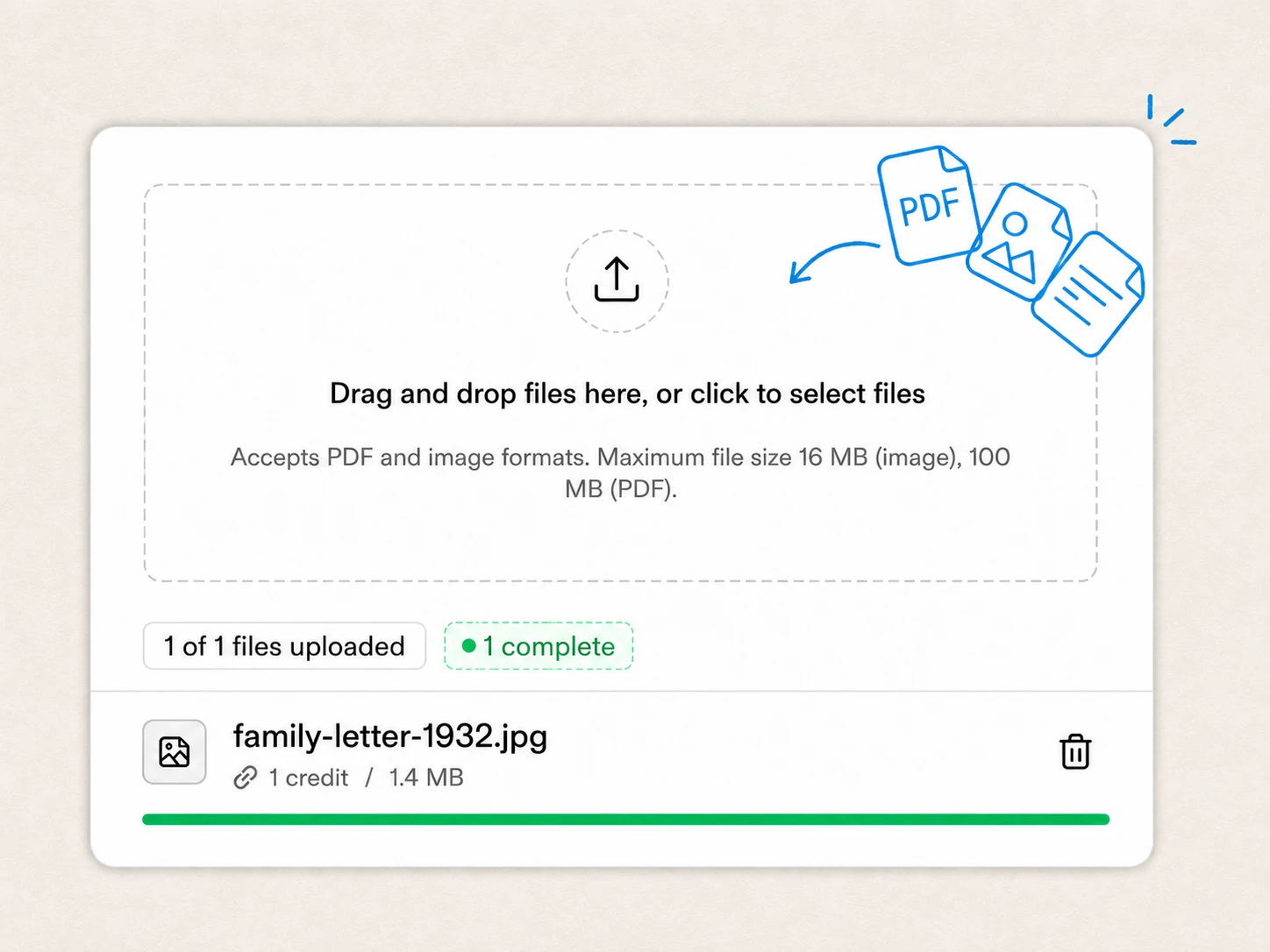
  1. Upload your document - Scan or photograph the handwritten page
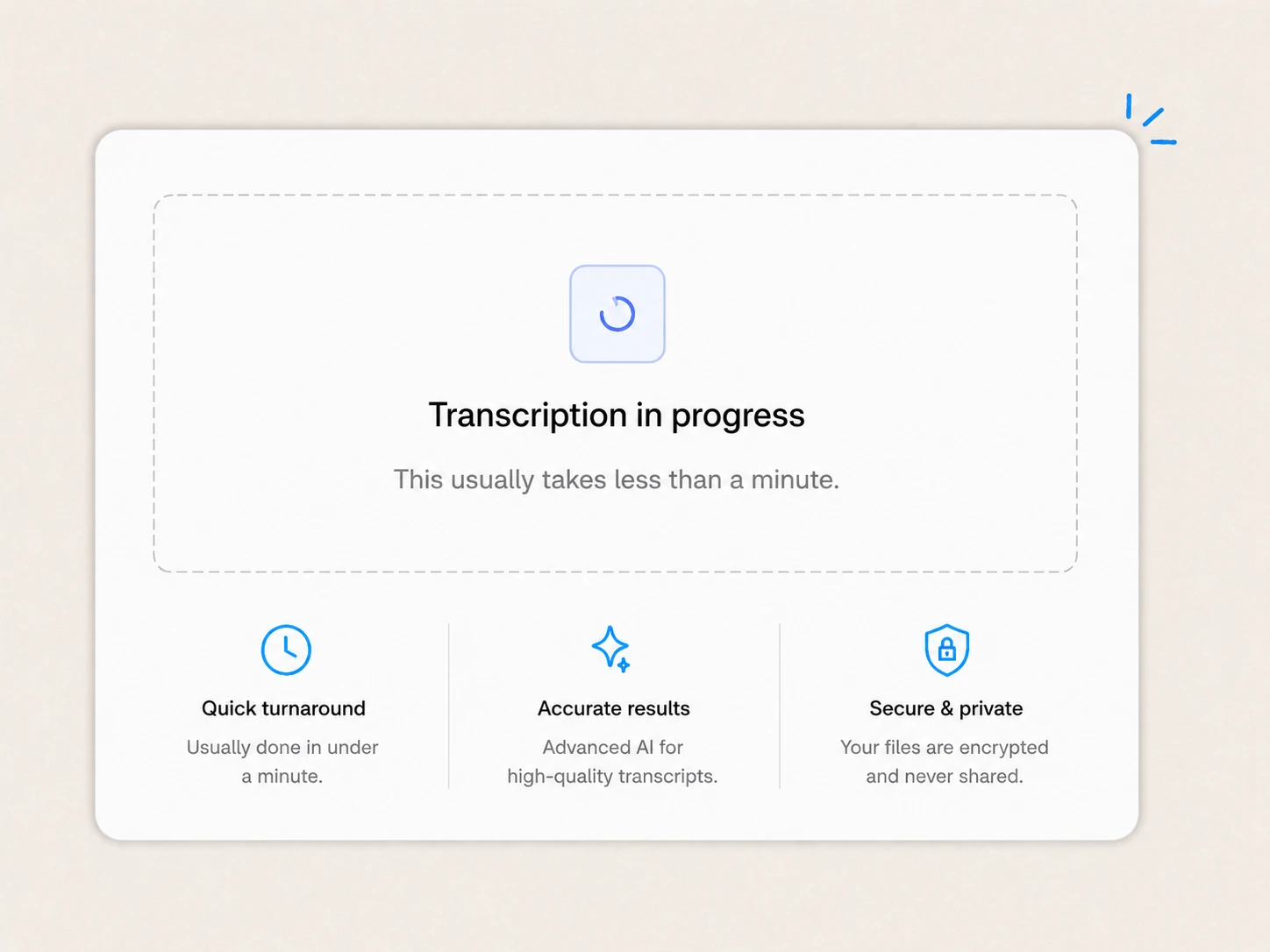
  2. AI analysis - Multiple neural networks process the image simultaneously
  3. Pattern recognition - The system identifies letter shapes, word boundaries, and contextual meaning
  4. Text extraction - Illegible handwriting becomes searchable, editable digital text
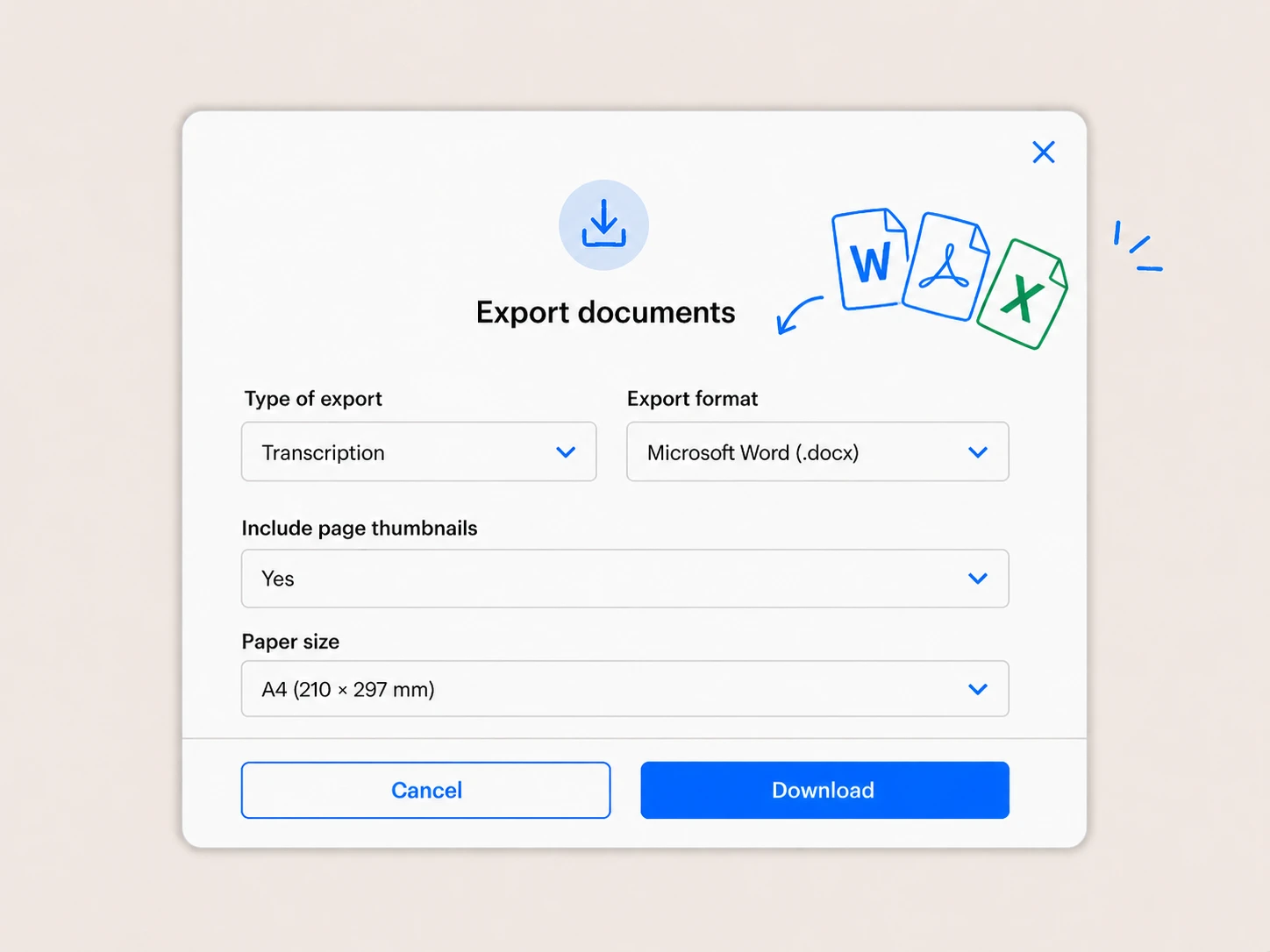
  5. Export in any format - Download as Word, Excel, plain text, or JSON

The entire process takes seconds, not hours. And unlike human transcription, it's available 24/7 and scales instantly from one page to thousands.

Why Bad Handwriting Is Such a Universal Problem

Bad handwriting affects virtually every industry and countless personal situations. The readable handwriting you learned in elementary school? Most people abandoned it years ago in favor of speed over legibility.

The Real-World Impact

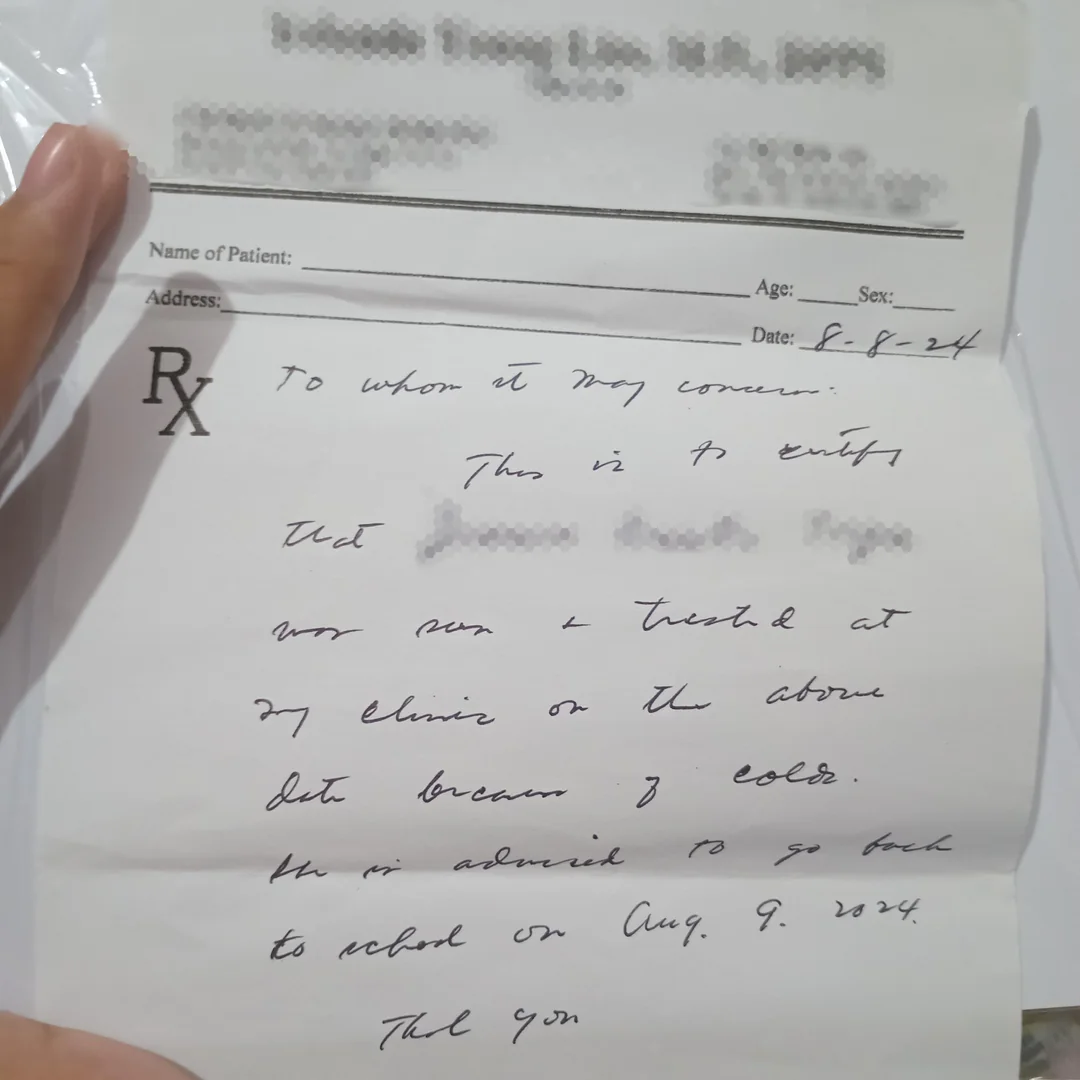
In Healthcare: Misread prescriptions cause an estimated 7,000 deaths annually in the United States alone. When a doctor's scrawled "10mg" looks like "100mg," the consequences can be fatal. Nurses spend hours decoding physicians' notes, time that could be spent on patient care.

In Legal Settings: Handwritten contracts, witness statements, and historical documents must be interpreted with perfect accuracy. A single misread word can alter the meaning of a legal agreement or change the outcome of a case.

In Business: Customer feedback forms, handwritten applications, meeting notes, and field reports filled with illegible writing create bottlenecks. Staff members waste productive hours trying to read what shouldn't require detective work.

In Research and Archives: Historians, genealogists, and researchers struggle with centuries-old handwriting styles. Letters from the 1800s, immigration records, and family documents contain invaluable information locked behind illegible script.

In Education: Teachers trying to grade handwritten assignments, students attempting to read their own notes, and administrators processing forms all encounter the same frustration.

The common thread? Bad handwriting creates friction wherever information needs to flow. Every minute spent deciphering messy writing is a minute not spent on meaningful work.

What Makes Handwriting "Bad" or Illegible?

Not all difficult handwriting is created equal. Understanding what makes writing hard to read helps explain why AI succeeds where human readers struggle.

Poor Letter Formation

When letters don't match standard shapes, they become unrecognizable. An 'n' that looks like an 'h', an 'a' that resembles an 'o', or an 'e' that could be a 'c' creates ambiguity. Writers who develop personal shorthand or let letters blur together create puzzles rather than messages.

Inconsistent Size and Spacing

Some writers cram letters together with no clear word boundaries. Others space letters within words so widely they appear separate. Variable letter heights and baseline inconsistency make pattern recognition nearly impossible for the human eye.

Extreme Slant and Pressure

Heavy backward slant, extreme forward lean, or changing slant within a single word disrupts visual flow. Excessive pen pressure creates thick, muddy letters while light pressure produces faint, barely visible strokes.

Cursive Complications

While cursive was designed for speed, many writers connect letters in non-standard ways. Personal cursive variations, half-cursive hybrid styles, and deteriorating cursive skills create unique challenges. What flows naturally for the writer becomes cryptic for everyone else.

Physical and Contextual Factors

  • Medical conditions: Arthritis, tremors, and neurological issues affect motor control
  • Writing speed: Rushed notes sacrifice legibility for speed
  • Writing surface: Bumpy surfaces, awkward positions, and poor lighting degrade quality
  • Tool choice: Bad pens, pencils, or markers make clear writing harder
  • Fatigue: Handwriting deteriorates as hands tire from extended writing
  • Age: Both very young and elderly writers often produce less legible text

The complexity of these variables explains why automated bad handwriting readers need sophisticated AI. Simple pattern matching fails. Success requires understanding context, probability, and the relationship between letters.

How AI Reads What Humans Can't

Traditional OCR works well for printed text because fonts follow consistent rules. Every Times New Roman 'A' looks identical. Handwriting follows no such rules. Each person writes differently, and the same person writes the same letter differently depending on context, speed, and adjacent letters.

This is where artificial intelligence becomes essential.

Neural Networks Trained on Millions of Samples

Modern handwriting recognition models learn by example. They analyze millions of handwriting samples, learning to recognize patterns across thousands of different writing styles. The AI doesn't just match shapes—it understands the relationship between letter combinations, common words, and contextual meaning.

When the system encounters an ambiguous character, it considers:

  • What letters typically appear in this position?
  • What word makes sense in this context?
  • How does this writer form similar letters elsewhere in the document?
  • What is the statistical probability of each interpretation?

Multi-Model Approach

HandwritingOCR doesn't rely on a single AI model. Instead, it combines multiple specialized models:

Google Gemini excels at understanding context and language patterns, helping disambiguate unclear letters by understanding what words make sense.

Azure Document Intelligence specializes in complex document layouts, maintaining proper structure even when handwriting is messy.

OpenAI's Vision Models bring advanced image understanding to identify patterns humans miss.

When multiple models analyze the same document, confidence increases. If all three models agree on a questionable letter, it's almost certainly correct. When they disagree, the system can flag uncertain areas for review.

Context-Aware Processing

The AI doesn't read letters in isolation. It understands language patterns, common phrases, and domain-specific terminology. Medical prescriptions get analyzed with pharmaceutical knowledge. Legal documents are processed with awareness of legal language. Personal letters are interpreted using conversational patterns.

This contextual understanding is what separates powerful AI from basic OCR. A simple system sees shapes. An intelligent system reads meaning.

Continuous Learning and Improvement

Each document processed makes the system smarter. As AI models encounter new handwriting styles, unusual letter formations, and edge cases, they improve. What stumped the system yesterday becomes routine tomorrow.

Real-World Use Cases: Who Needs a Bad Handwriting Reader?

Medical Professionals and Healthcare Systems

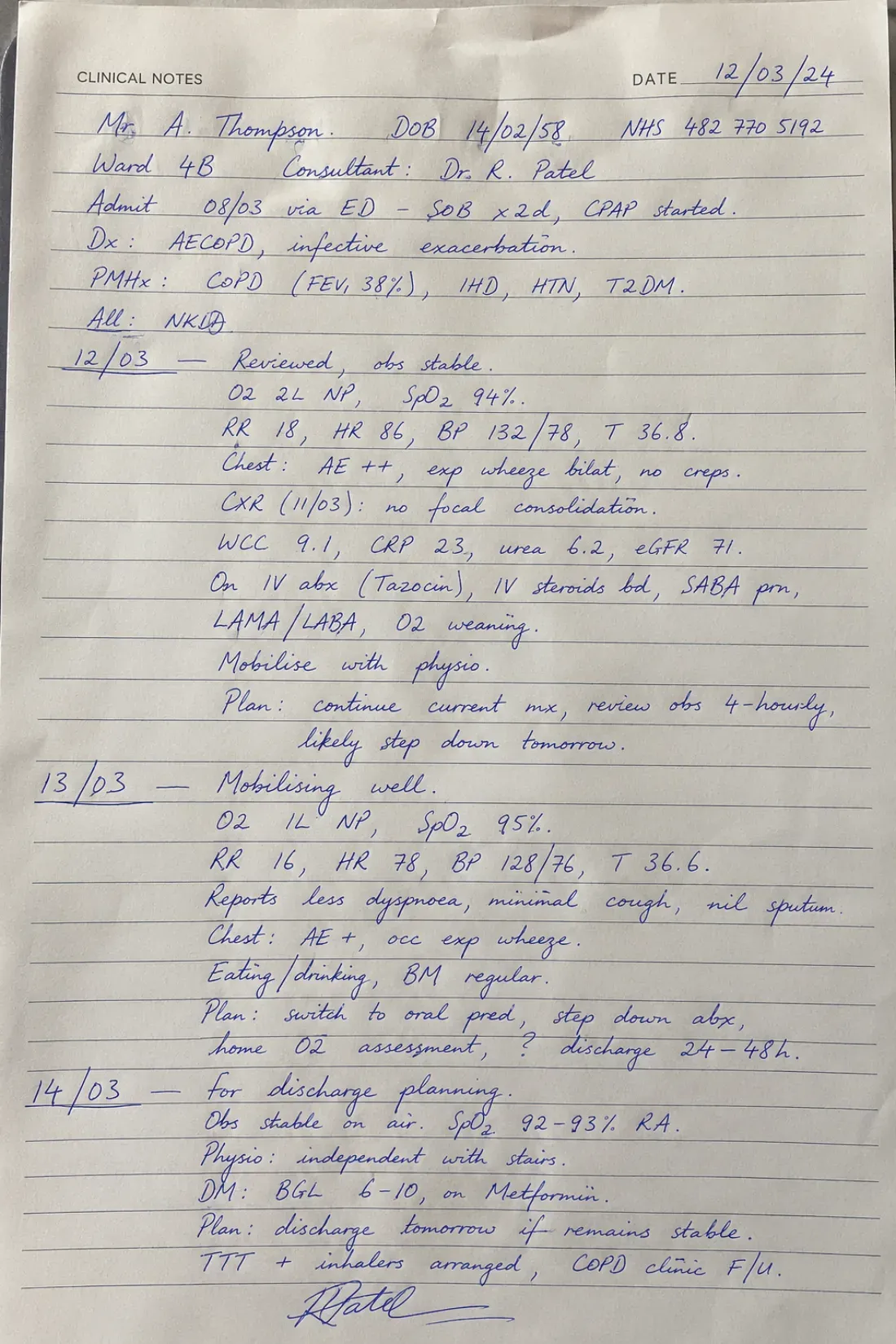
Doctors, nurses, and medical records staff face illegible handwriting daily. Prescription errors, misread dosages, and unclear patient notes create dangerous situations. A bad handwriting reader transforms:

  • Handwritten prescription pads into digital, verifiable orders
  • Physician notes into searchable electronic health records
  • Patient intake forms into structured database entries
  • Historical medical records into accessible digital archives

The result? Fewer errors, faster processing, better patient outcomes, and significant time savings for medical staff.

Legal professionals work with decades or centuries of handwritten documents. Contracts, wills, witness statements, historical records, and depositions require accurate interpretation. A single misread word can change legal outcomes.

Legal teams use bad handwriting readers to:

  • Digitize handwritten contracts and agreements with perfect accuracy
  • Process witness statements and depositions quickly
  • Search through volumes of handwritten case notes
  • Analyze historical legal documents for precedent research
  • Convert handwritten discovery documents into searchable text

Genealogists and Historical Researchers

Family historians struggle with century-old letters, birth certificates, immigration documents, and census records. Historical handwriting styles differ dramatically from modern writing, and document degradation makes reading even harder.

Researchers use handwriting recognition to:

  • Transcribe family letters and diaries
  • Process immigration and naturalization records
  • Digitize historical manuscripts and archives
  • Create searchable databases from handwritten census data
  • Preserve deteriorating documents before they become unreadable

Business and Administrative Staff

Every business encounters handwritten forms, whether customer feedback cards, employee applications, field reports, or meeting notes. Processing these documents manually creates bottlenecks.

Businesses use bad handwriting readers to:

  • Convert customer feedback forms into analyzable data
  • Process handwritten job applications efficiently
  • Digitize field technician reports and work orders
  • Transform meeting notes into actionable items
  • Extract data from handwritten invoices and receipts

Educational Institutions

Teachers grading handwritten assignments, administrators processing forms, and students reviewing their own notes all benefit from handwriting recognition.

Educational applications include:

  • Grading handwritten exams more efficiently
  • Processing student enrollment forms
  • Converting lecture notes into study guides
  • Creating accessible versions of handwritten materials
  • Archiving historical institutional records

Personal Use Cases

Beyond professional applications, individuals need to read bad handwriting regularly:

  • Deciphering family recipes written by grandparents
  • Understanding handwritten letters from elderly relatives
  • Converting personal journal entries into digital backups
  • Reading to-do lists and notes from household members
  • Preserving handwritten memories before they fade

The Limitations of Manual Transcription

Before AI-powered bad handwriting readers, the only option was manual transcription: someone sitting down and painstakingly interpreting each word. This approach has severe limitations.

Time Investment

Manual transcription is painfully slow. A skilled transcriber might process 2-3 pages per hour for moderately difficult handwriting. Extremely illegible documents can take 10-15 minutes per page or more. For large document sets—imagine thousands of historical records or hundreds of patient files—manual transcription becomes impractical.

Human Error and Fatigue

Humans get tired. Attention wanders. After hours of staring at difficult handwriting, even experienced transcribers make mistakes. They misread letters, skip words, or misinterpret context. Unlike AI, which maintains consistent accuracy regardless of volume, human accuracy degrades over time.

Cost Factors

Professional transcription services charge $1-3 per page for standard documents, with rates increasing significantly for difficult handwriting. For large projects, costs quickly escalate into thousands or tens of thousands of dollars. Many organizations simply can't afford professional transcription at scale.

Inconsistency Between Transcribers

Different people interpret the same illegible text differently. What one transcriber reads as "meeting" another might interpret as "mailing." This inconsistency creates problems for legal documents, medical records, and any application requiring precision.

Availability and Turnaround

Human transcribers work business hours. Rush projects cost extra. Large volumes require scheduling weeks in advance. AI works 24/7, processes documents in minutes, and scales instantly to any volume.

Key Features of an Effective Bad Handwriting Reader

Not all handwriting recognition tools are created equal. The best bad handwriting readers share several critical features:

Multiple AI Models Working Together

Single-model systems have blind spots. Different AI architectures excel at different aspects of handwriting recognition. The most reliable systems use multiple models that cross-validate results, dramatically improving accuracy.

Batch Processing Capability

Processing one document at a time doesn't scale. Effective systems handle dozens, hundreds, or thousands of pages simultaneously, maintaining speed and accuracy across large document sets.

Custom Extraction Prompts

Generic transcription captures raw text, but structured data extraction adds tremendous value. The ability to define custom prompts—"extract all dates," "identify medication names and dosages," "find names and phone numbers"—transforms raw text into immediately usable information.

Multiple Export Formats

Different workflows need different formats. Look for systems that export to:

  • Plain text for simple transcription
  • Microsoft Word for formatted documents
  • Excel spreadsheets for structured data
  • JSON for technical integrations
  • CSV for database imports

Quality Confidence Indicators

Not every character can be read with certainty. The best systems flag uncertain areas, allowing human review where it matters most while automating the clear sections.

Document Structure Preservation

Good handwriting recognition maintains the original document's layout, formatting, and structure. Tables stay as tables. Lists remain lists. Paragraphs don't merge into walls of text.

API Access for Integration

For businesses and developers, API access allows handwriting recognition to integrate seamlessly into existing workflows, applications, and automation systems.

How HandwritingOCR Solves the Bad Handwriting Problem

HandwritingOCR was built specifically to tackle illegible handwriting at scale. Here's how we approach the problem differently:

Multi-Provider AI Architecture

We don't put all our eggs in one basket. HandwritingOCR integrates with Google Gemini, Azure Document Intelligence, and OpenAI, letting you choose the AI provider that works best for your specific documents. Different handwriting styles respond better to different models—you get the flexibility to optimize for your use case.

Credit-Based, Pay-As-You-Go Pricing

No expensive monthly subscriptions for features you don't use. Buy credits when you need them, use them when you want. Process one document or one thousand—you only pay for what you actually use.

Custom Prompts and Extractors

Beyond basic transcription, create custom extraction prompts tailored to your needs. Instead of getting walls of text, extract exactly what matters: "Find all dates and meeting times," "Extract medication names, dosages, and frequencies," "Identify customer names, phone numbers, and complaint descriptions."

The AI understands your instructions and returns structured data ready for immediate use.

Batch Processing at Scale

Upload hundreds of documents simultaneously. The system processes them in parallel, handling volume that would take human transcribers weeks in just hours. Cloudflare-powered infrastructure ensures speed regardless of load.

Multiple Export Options

Export results in whatever format fits your workflow:

  • CSV for spreadsheet analysis
  • JSON for technical integrations
  • XLSX for Excel users
  • Plain text for simple transcription

API Access for Automation

Developers can integrate handwriting recognition directly into applications, workflows, and automation systems. The REST API handles authentication, file uploads, processing, and result retrieval with comprehensive documentation.

Transparent Processing Status

Track every document from upload through completion. Real-time status updates show exactly what's happening at each processing stage. No black box mystery—you know where your documents are and when they'll be ready.

Comparing Bad Handwriting Readers: What to Look For

When evaluating handwriting recognition tools, consider these critical factors:

Accuracy on Difficult Handwriting

Test the system with your hardest examples. Many tools claim handwriting recognition but fail on anything beyond neat cursive. Look for systems that specifically market themselves as bad handwriting readers—they're built for the challenge.

Processing Speed and Volume Limits

Can the system handle your typical workload? Some tools limit uploads to 10 pages at a time. Others process thousands simultaneously. Speed matters when you're working against deadlines.

Pricing Model Transparency

Watch out for confusing pricing structures, hidden fees, or mandatory expensive subscriptions. The best systems offer clear, simple pricing—you know exactly what you'll pay before you start.

Data Security and Privacy

Uploading sensitive documents requires trust. Look for:

  • Encrypted transmission and storage
  • Clear data retention policies
  • Compliance with relevant regulations (HIPAA, GDPR, etc.)
  • Options for data deletion

Ease of Use

The best technology disappears. Upload should be drag-and-drop simple. Processing should happen automatically. Results should download with one click. If you need training to use the tool, it's too complicated.

Support and Documentation

When problems arise, can you get help? Quality documentation, clear error messages, and responsive support separate professional tools from hobby projects.

Common Questions About Reading Bad Handwriting

Can AI Really Read Worse Handwriting Than Humans?

In many cases, yes. AI doesn't get tired, maintains focus indefinitely, and recognizes patterns humans miss. The AI has seen millions of handwriting samples and learned subtle cues that even experienced transcribers overlook. However, extremely degraded documents or completely unique handwriting styles can still challenge both AI and humans.

What Types of Handwriting Are Most Difficult?

Historical documents from the 1700s-1800s, medical prescriptions written at speed, personal shorthand systems, and documents with both cursive and print mixed together present the biggest challenges. Faded or damaged documents add another layer of difficulty.

Does the AI Learn My Specific Handwriting Style?

Advanced systems can adapt to specific writing styles when processing multiple documents from the same writer. The AI identifies consistent patterns in how that person forms letters, improving accuracy on subsequent pages.

What Happens When the AI Can't Read Something?

Quality systems flag uncertain areas for review. You'll see confidence scores or highlighted sections indicating where human verification is recommended. This hybrid approach combines AI speed with human judgment where it matters most.

Can I Use This for Languages Other Than English?

Many modern handwriting recognition systems support multiple languages. Check the specific tool's language capabilities—some work with dozens of languages while others focus on English.

How Accurate Should I Expect the Results to Be?

For moderately difficult handwriting, expect 85-95% accuracy. For extremely illegible writing, 70-85% is realistic. Remember: even 75% accuracy means the AI did three-quarters of the work, letting you focus on reviewing and correcting rather than transcribing from scratch.

Best Practices for Getting Better Results

Even the best bad handwriting reader benefits from proper document preparation and workflow optimization.

Document Scanning Tips

Use adequate lighting - Shadows and glare obscure details the AI needs to recognize letters. Natural light or a well-lit scanner produces better results than dim phone photos.

Maintain straight alignment - Skewed or rotated documents introduce distortion. Take time to align documents properly before scanning.

Optimize resolution - Too low and details disappear. Too high and file sizes become unwieldy. 300 DPI represents the sweet spot for most handwritten documents.

Ensure high contrast - Black ink on white paper reads better than gray pencil on yellowed paper. If possible, adjust brightness and contrast before uploading.

Avoid over-compression - Heavily compressed JPEGs lose detail. Use PNG or minimally compressed JPEG for best results.

Processing Strategy

Start with a test batch - Process 10-20 sample pages before committing to thousands. Verify accuracy and adjust settings if available.

Use consistent naming - When processing large volumes, systematic file naming helps organize results and track progress.

Leverage custom prompts - Generic transcription gives you raw text. Custom extraction prompts give you the specific data you need. Take time to craft effective prompts.

Review uncertain sections first - Focus human attention where the AI expressed lower confidence. This maximizes efficiency.

Maintain original documents - Keep source files. Even excellent AI occasionally makes mistakes. Having originals allows quick verification when needed.

The Future of Bad Handwriting Recognition

AI handwriting recognition technology improves constantly. Models trained on larger datasets become more accurate. Processing speeds increase. New capabilities emerge regularly.

Emerging Capabilities

Real-time mobile recognition - Point your phone at handwritten text and see instant digital conversion overlaid on the image.

Historical handwriting specialists - Models trained specifically on 18th and 19th-century writing styles, legal scripts, and archaic handwriting.

Diagram and sketch understanding - Beyond just text, AI that interprets handwritten diagrams, flowcharts, and technical sketches.

Writer identification - Systems that identify who wrote which sections of a document based on handwriting characteristics.

Context-aware semantic understanding - AI that doesn't just transcribe but understands meaning, summarizes content, and answers questions about handwritten documents.

Impact on Industries

As accuracy improves and costs decrease, handwriting recognition will become ubiquitous. Medical facilities will eliminate handwritten prescriptions entirely. Legal firms will process decades of archived documents into searchable databases. Researchers will unlock historical archives that have been inaccessible for centuries.

The goal isn't to eliminate handwriting—it's to eliminate the friction bad handwriting creates. People will continue writing by hand, but the struggle to read difficult handwriting will become a problem of the past.

Getting Started: From Illegible to Digital in Minutes

Ready to stop squinting at indecipherable handwriting? Here's how to get started:

Step 1: Gather Your Documents

Collect the handwritten materials you need to convert. Scan or photograph them at good resolution with proper lighting. Organize files logically if processing multiple documents.

Step 2: Upload to HandwritingOCR

Create a free account at HandwritingOCR.com. Drag and drop your documents into the upload area. The system accepts images and PDFs, handling multi-page documents automatically.

Step 3: Configure Processing Options

Select your preferred AI provider. Add custom extraction prompts if you need structured data rather than simple transcription. Choose your export format.

Step 4: Process and Download

Click process and watch progress in real-time. When complete, review results and download in your chosen format. For batch jobs, bulk download all results at once.

Step 5: Review and Refine

Skim through results, focusing on any flagged uncertain sections. Make corrections as needed. Save time by letting AI handle the 80-90% it read correctly while you focus on the tricky 10-20%.

Stop Struggling with Illegible Handwriting

Every minute you spend deciphering messy handwriting is time you could spend on meaningful work. Every error caused by misread text creates problems that ripple through your organization. Every historical document that remains locked behind illegible script is knowledge lost.

Bad handwriting readers powered by modern AI eliminate these problems. What took hours now takes minutes. What required expensive human transcription now costs pennies per page. What seemed impossible to read becomes clear, searchable digital text.

The technology exists. The solution works. The only question is how much longer you'll tolerate the frustration of illegible handwriting when you don't have to.

Try HandwritingOCR free and convert your first batch of messy, illegible, impossible-to-read handwriting into clean digital text. Upload a document right now and see the difference AI makes.

Your eyes will thank you.

Learn more about specific handwriting challenges and solutions:

Frequently Asked Questions

Have a different question and can’t find the answer you’re looking for? Reach out to our support team by sending us an email and we’ll get back to you as soon as we can.

Can this bad handwriting reader decipher messy medical notes?

Yes, our AI-powered reader is specifically trained on difficult and hurried writing styles, including those common in medical documentation. It uses contextual analysis to recognize drug names and clinical terminology even when the individual letters are poorly formed.

How does the system handle words that are crossed out in the document?

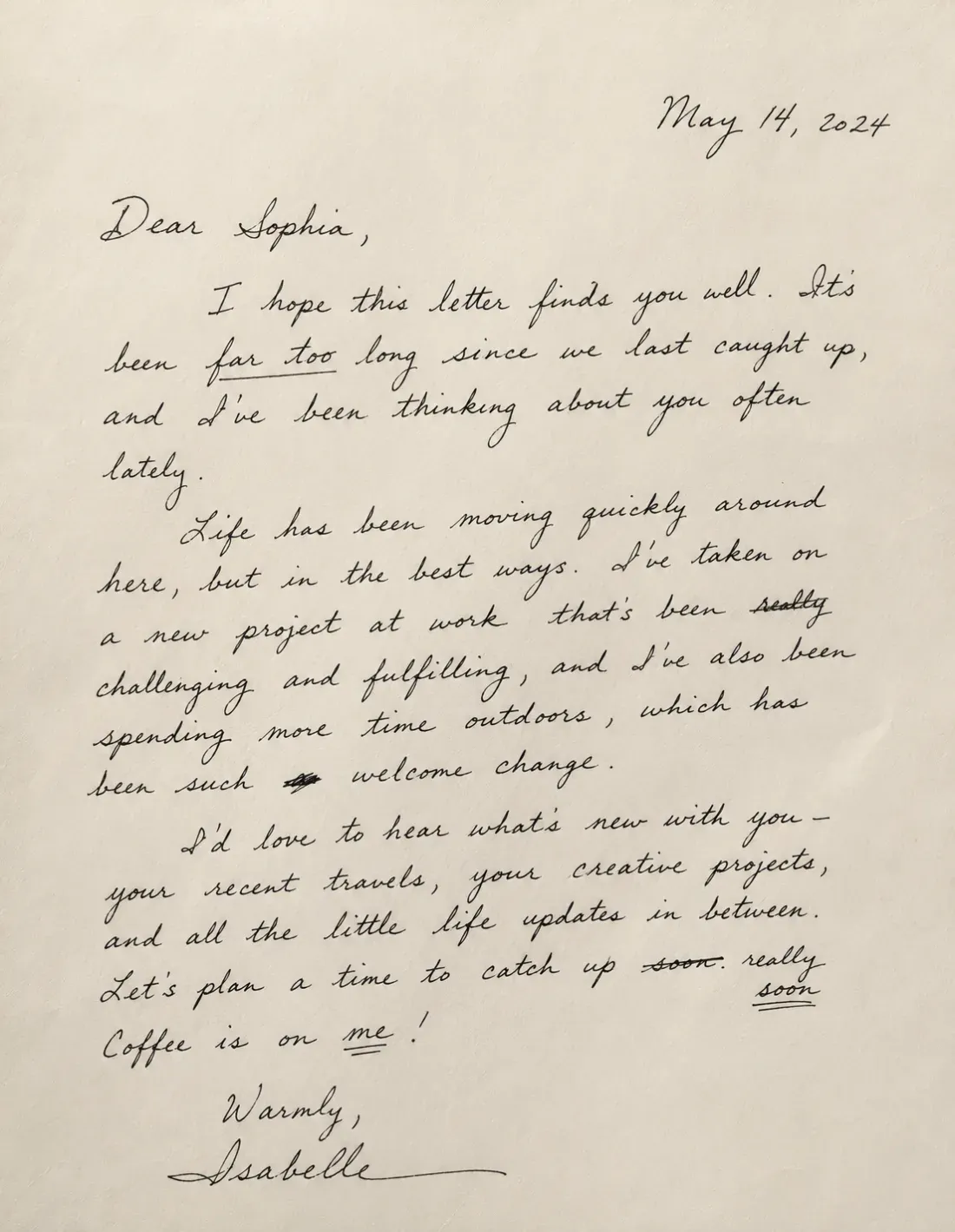
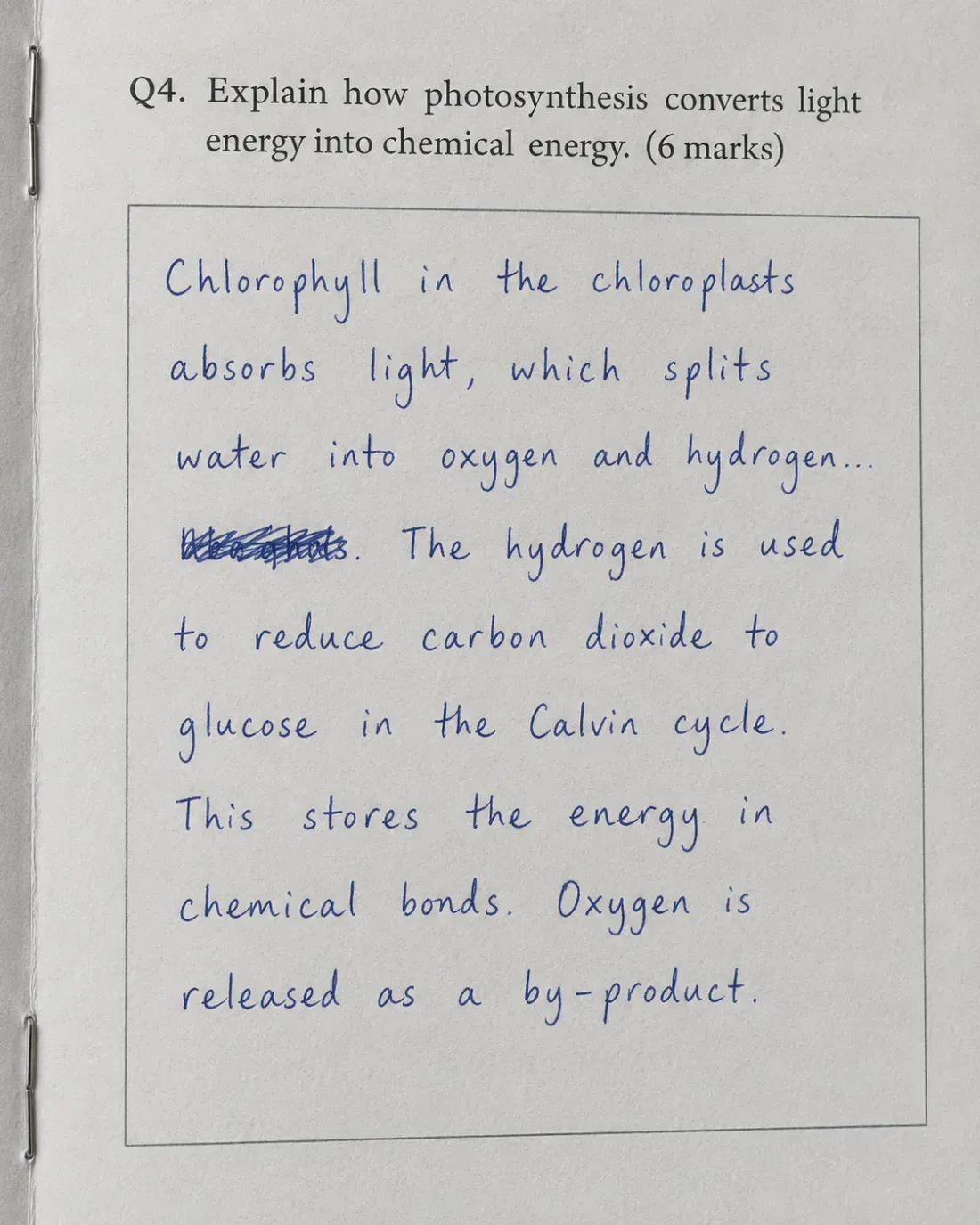
Our advanced OCR can typically identify text that has been struck through unless the ink completely obscures the characters. The AI provides the most likely transcription of the underlying text while ignoring the strikethrough marks.

What is the accuracy for extremely illegible handwriting?

While accuracy is 99% for printed text, illegible handwriting typically achieves 85-95% accuracy. Even for content that appears 'impossible' to the human eye, our reader provides a searchable foundation that significantly reduces manual transcription time.