Quick Takeaways
- Insurance claims processing automation reduces processing time by 55-75% and cuts costs by 30-40% per claim
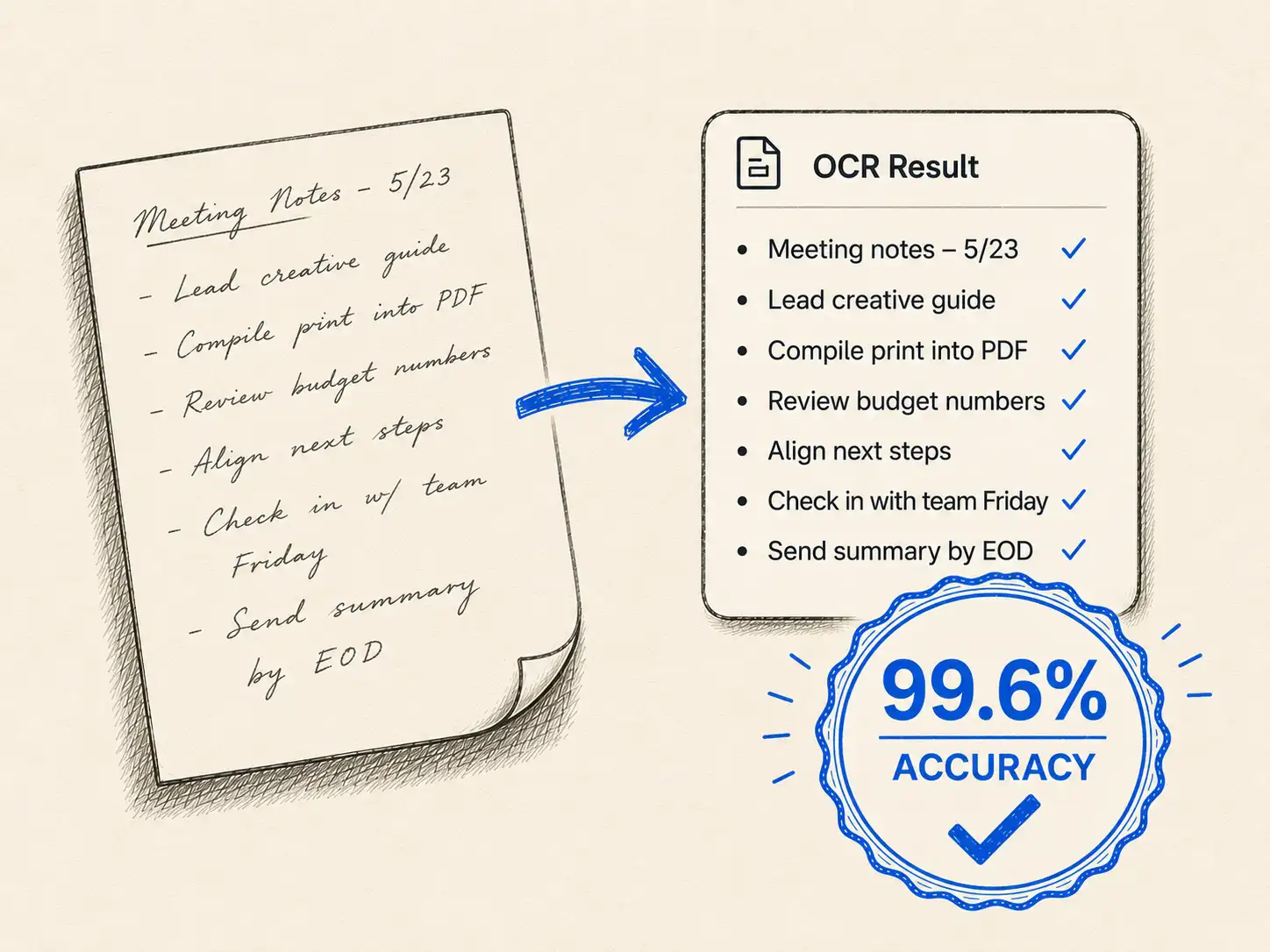
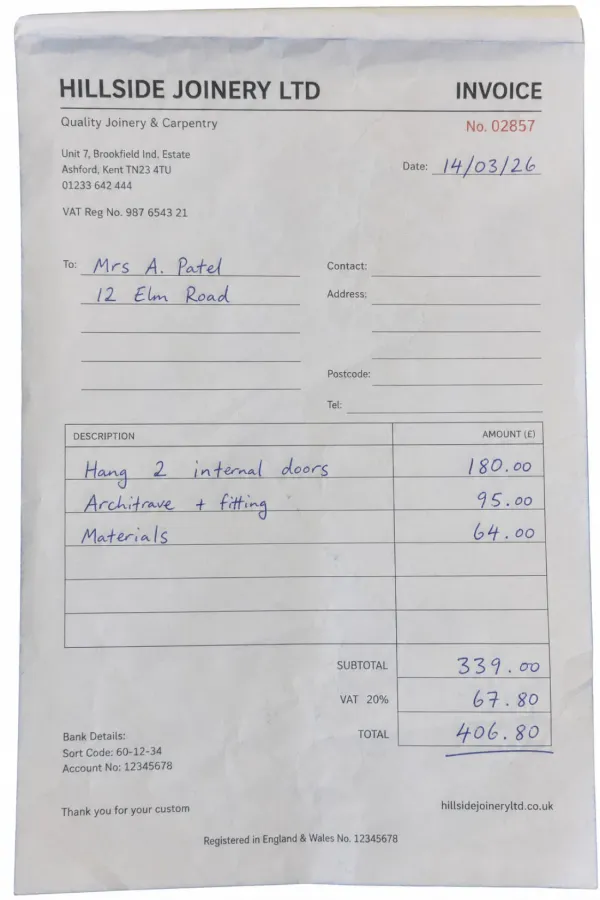
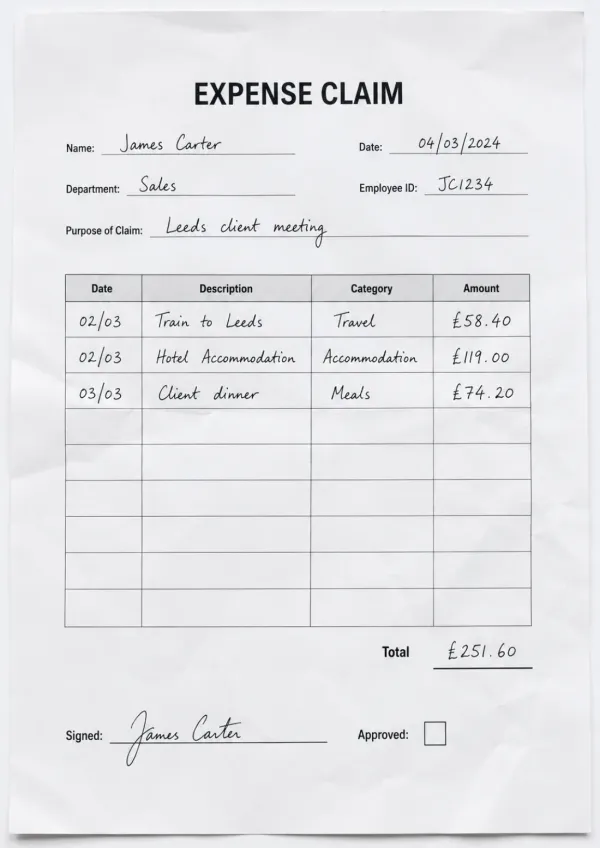
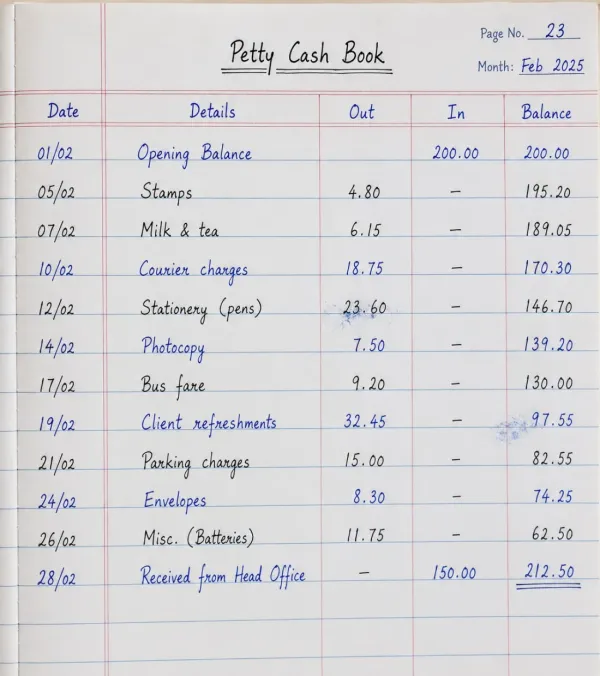
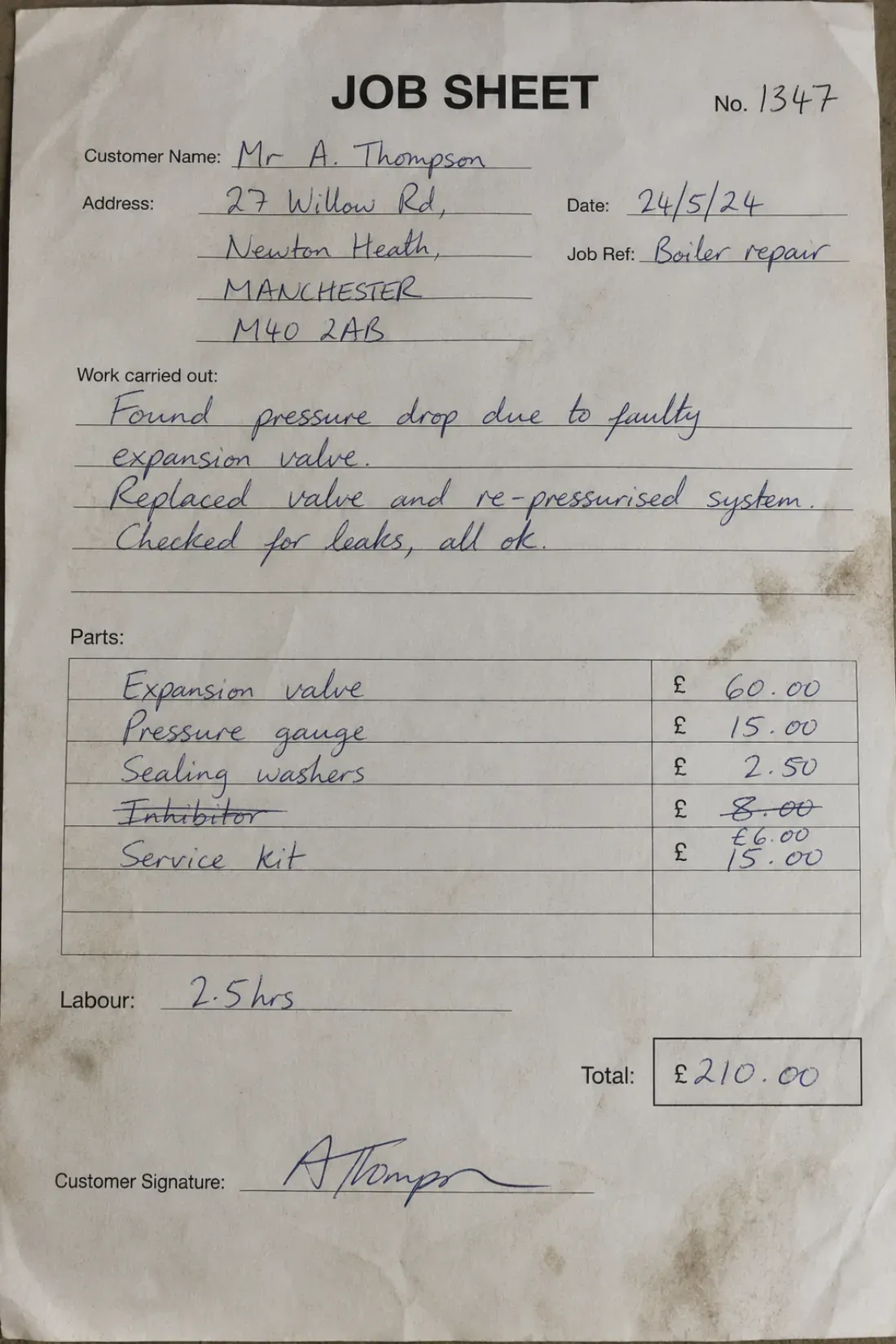
- Modern OCR accurately extracts data from handwritten claim forms, intake documents, and policy applications
- HIPAA-compliant solutions protect Protected Health Information with encryption, audit trails, and secure processing
- Integration with insurance management systems eliminates manual data entry and accelerates claims workflows
- ROI typically achieved within 90 days through reduced labor costs and faster claim resolution
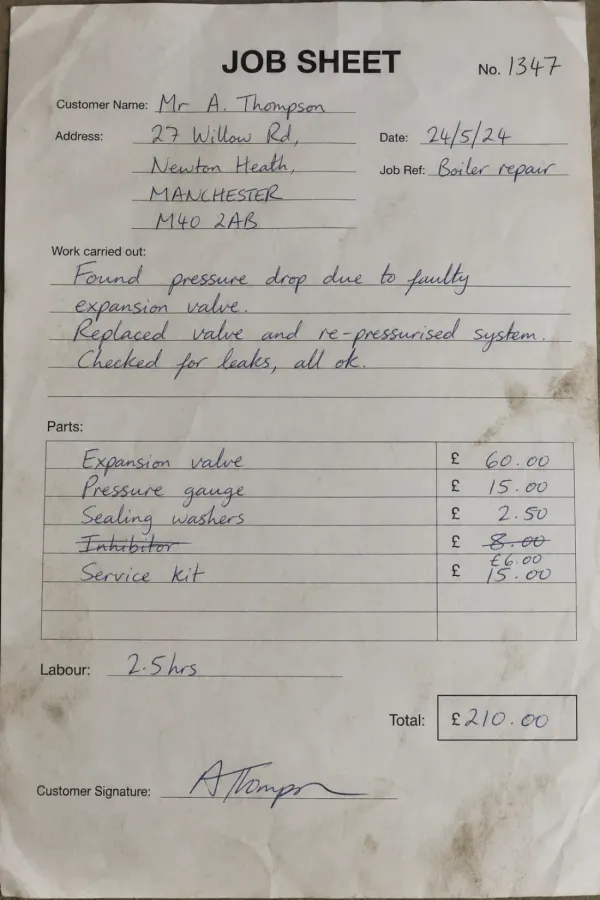
Insurance claims managers face a persistent challenge. Despite advances in digital technology, handwritten forms remain a reality across the industry. Claim submissions, intake questionnaires, adjuster field notes, and supporting documentation still arrive on paper, creating processing backlogs that delay payments and increase operational costs.
Manual data entry from these handwritten documents consumes hours of staff time, introduces errors, and creates bottlenecks during peak periods. A single claim can require 15-20 minutes of manual transcription. Multiply that across thousands of monthly claims, and the cost becomes substantial.
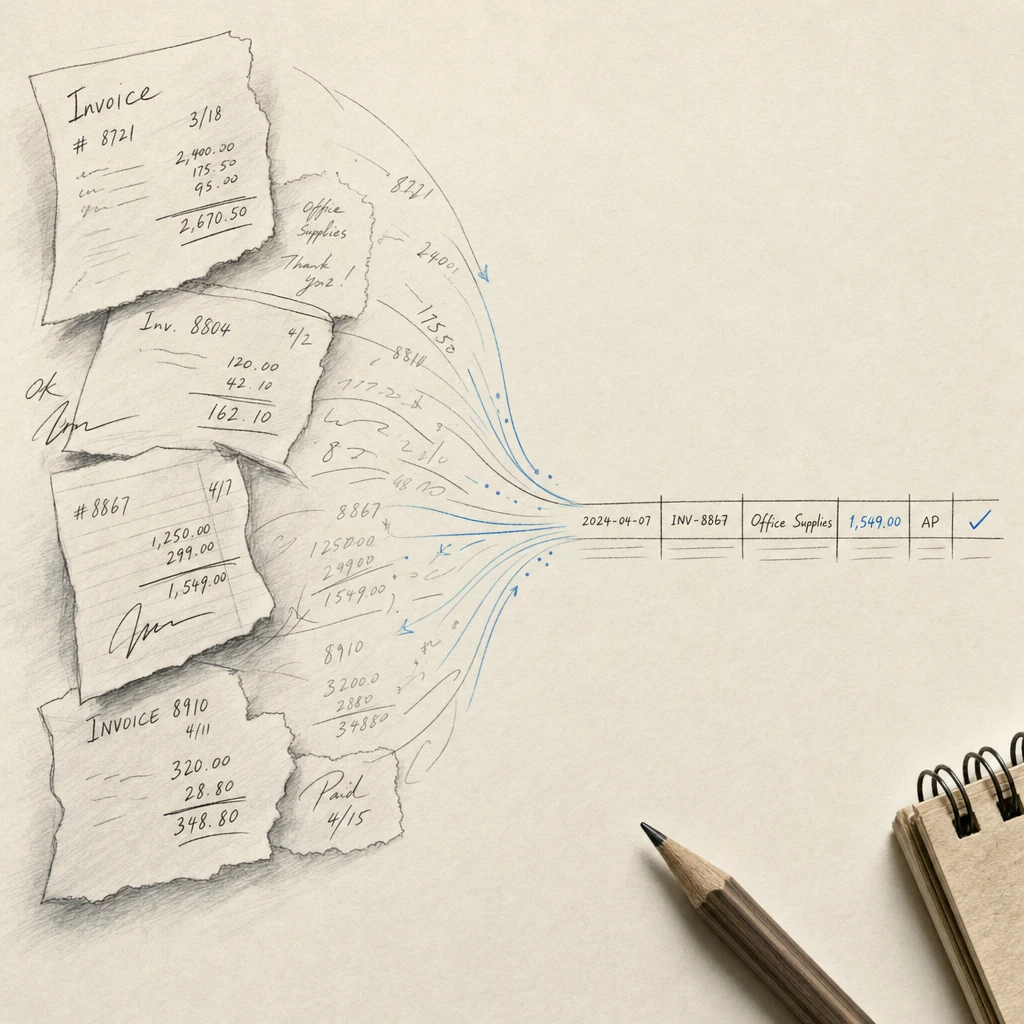
Insurance form OCR technology solves this problem. It transforms handwritten text into structured digital data automatically, reducing processing time from days to hours while maintaining the accuracy and compliance insurance operations require.
Why Insurance Claims Processing Still Relies on Handwritten Forms
The insurance industry handles millions of handwritten documents annually despite digital transformation efforts. Understanding why reveals the scope of the automation opportunity.
Common Handwritten Documents in Insurance
First Notice of Loss (FNOL) forms frequently contain handwritten incident descriptions and policyholder information. Field adjusters capture damage assessments in notebooks during property inspections. Medical providers submit handwritten treatment notes and prescription details. Policyholders complete application forms by hand at agent offices or mail in claim submissions with handwritten narratives.
Adjuster notes present particular challenges. They're mostly handwritten, free-form, follow no standard format, and vary from one adjuster to the next. This variability makes automation difficult but also makes it essential, as manual processing of inconsistent formats consumes disproportionate time.
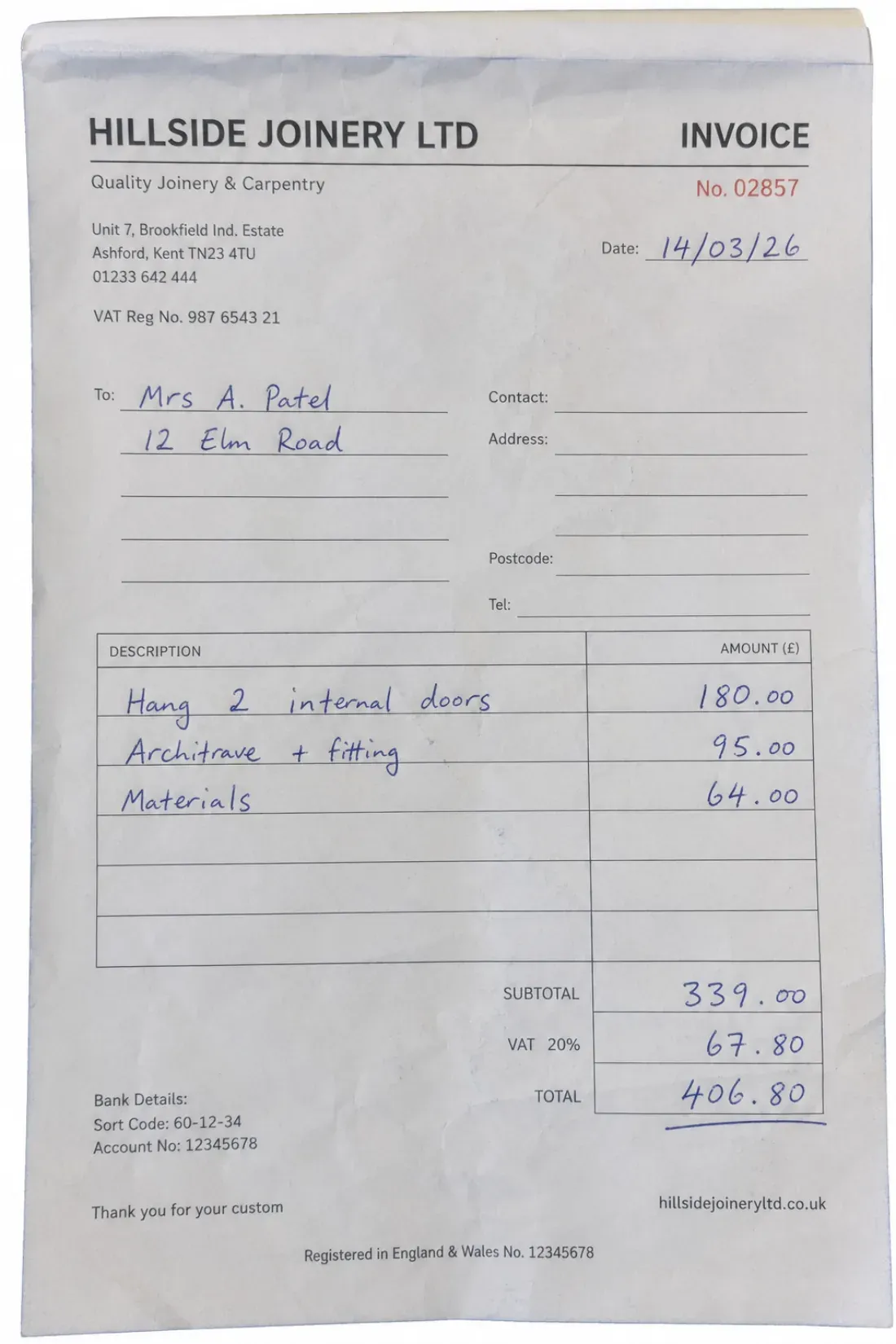
Supporting documentation compounds the volume. Customers submit handwritten receipts, witness statements, police reports with handwritten sections, and medical records containing physician notes. Each document requires data extraction before claims processing OCR workflows can proceed.
The Cost of Manual Processing
The financial impact of manual handwritten document processing extends beyond labor hours. Processing a single claim can cost insurers hundreds of dollars, with even simple claims generating surprisingly high unit processing costs.
Delays compound these costs. Healthcare claims processing backlogs can cost millions per month in regulatory fines. At €500 per day per late claim, a backlog of 4,000 claims delayed by 4 days equals €8 million in penalties. Beyond fines, delays damage customer satisfaction and create cash flow problems for healthcare providers.
Processing a single handwritten claim form manually can take 15-20 minutes. With OCR automation, the same form processes in seconds.
Manual entry also introduces error rates that impact claim accuracy. Healthcare insurance data contains a 3% average error rate, and even small inaccuracies in data extraction cause significant downstream issues, leading to incorrect policy information or claims errors that require costly remediation.
Staff workload creates additional hidden costs. Backlogs increase workloads, leading to inefficiencies and longer turnaround times, creating bottlenecks across departments. During peak periods following natural disasters or seasonal claim surges, manual processing becomes unsustainable.
How Insurance Document Digitization Transforms Claims Processing
Modern OCR systems designed for insurance documents use artificial intelligence to extract data from handwritten forms with accuracy approaching human performance. The technology has evolved beyond simple character recognition to understand document context and structure.
Automated Data Extraction from Claim Forms
Insurance form OCR captures text, numerical data, and handwritten information from complex documents automatically. AI-powered OCR leveraging machine learning can accurately extract data from unstructured documents, decipher handwritten notes, understand diverse document layouts, and learn from errors to continuously improve performance.
The system identifies critical fields on claim forms regardless of layout variations. It extracts policyholder names, policy numbers, dates of loss, claim amounts, incident descriptions, and supporting details. This works across different form types without requiring template configuration for each variation.
For handwritten narrative sections common in FNOL forms and adjuster reports, OCR converts free-text descriptions into searchable digital text. This enables automated analysis, categorization, and routing based on claim content rather than requiring manual review of every submission.
Processing Speed and Accuracy Improvements
The efficiency gains from insurance document digitization are substantial. Claims processing time has been reduced by 55-75% through AI automation, with routine claims processing experiencing 75-85% time reduction from 7-10 days to 24-48 hours.
Processing speed improvements translate to operational capacity increases. File preparation that previously took hours to days for complex accounts now completes in as fast as 30 seconds. This acceleration allows claims teams to handle higher volumes without proportional staff increases.
Accuracy matches or exceeds manual data entry. While best OCR systems approach 97% accuracy, that compares favorably to the 3% error rate in manually processed healthcare insurance data. For critical fields, implementing validation rules and human review of flagged items maintains quality while preserving speed gains.
| Metric | Manual Processing | OCR Automation | Improvement |
|---|---|---|---|
| Processing Time (Routine Claims) | 7-10 days | 24-48 hours | 75-85% reduction |
| Cost Per Standard Claim | $40-60 | $25-36 | 30-40% reduction |
| Manual Document Handling | 80% of time | 20% of time | 75% reduction |
| Accuracy Rate | ~97% (3% error) | ~97% | Comparable with validation |
Handling Complex Form Layouts
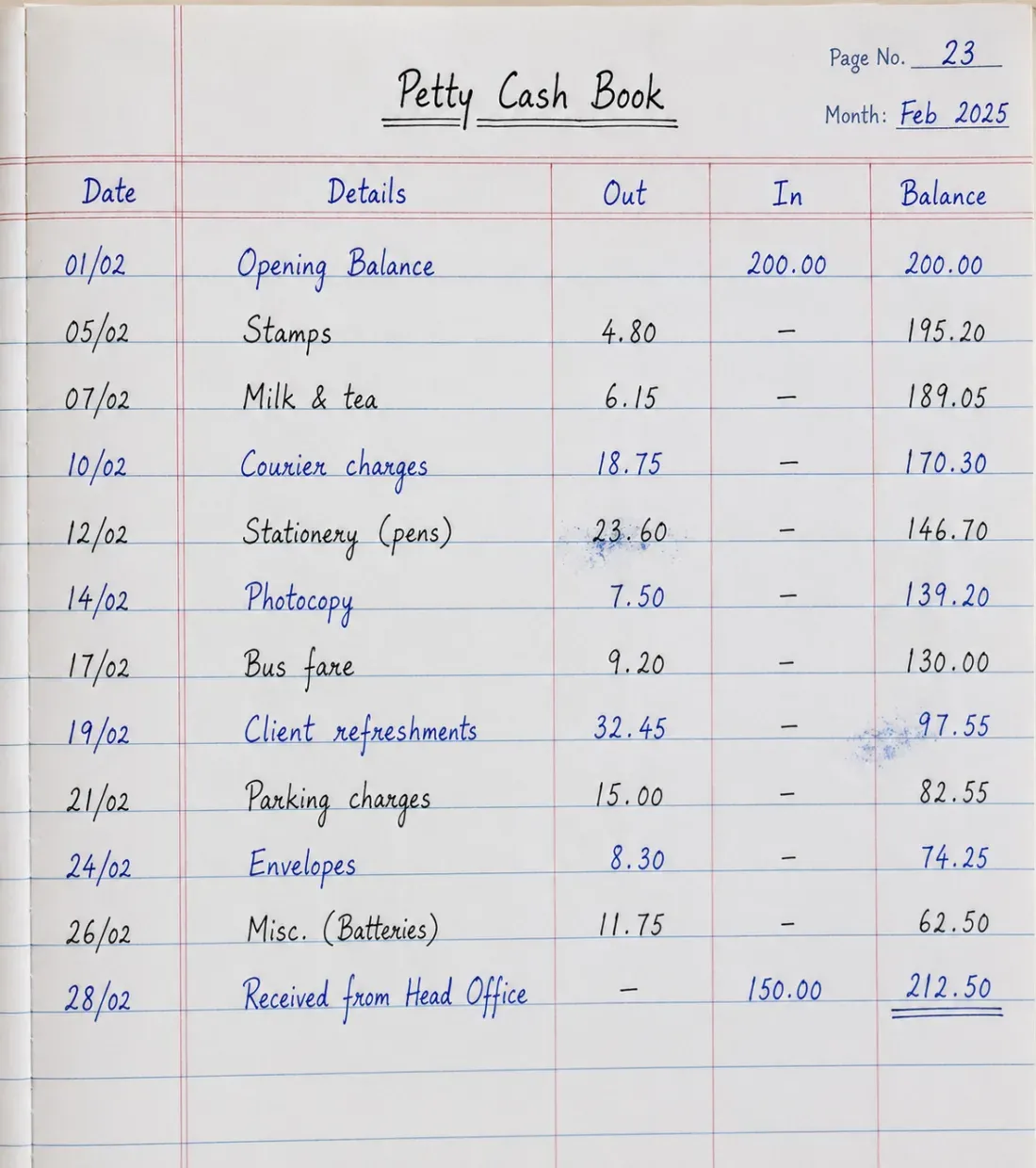
Insurance documents present formatting challenges that differentiate insurance form OCR from general document scanning. Forms contain tables with columns, checkboxes alongside text fields, signature blocks with handwritten dates, and mixed printed and handwritten content.
Advanced OCR systems trained on insurance documents recognize these layouts automatically. They classify claims forms versus loss runs versus medical records, routing each type through appropriate processing rules. This eliminates manual sorting and template configuration.
The technology handles poor image quality common in submitted documents. Faxed forms, mobile phone photos taken in the field, and aged paper documents with faded text all require robust processing. Modern systems use image enhancement preprocessing to improve OCR accuracy on suboptimal inputs.
HIPAA Compliance and Data Security in Insurance OCR
Healthcare insurance documents contain Protected Health Information subject to HIPAA regulations. OCR solutions must implement specific safeguards to maintain compliance while processing these sensitive documents.
Protected Health Information Safeguards
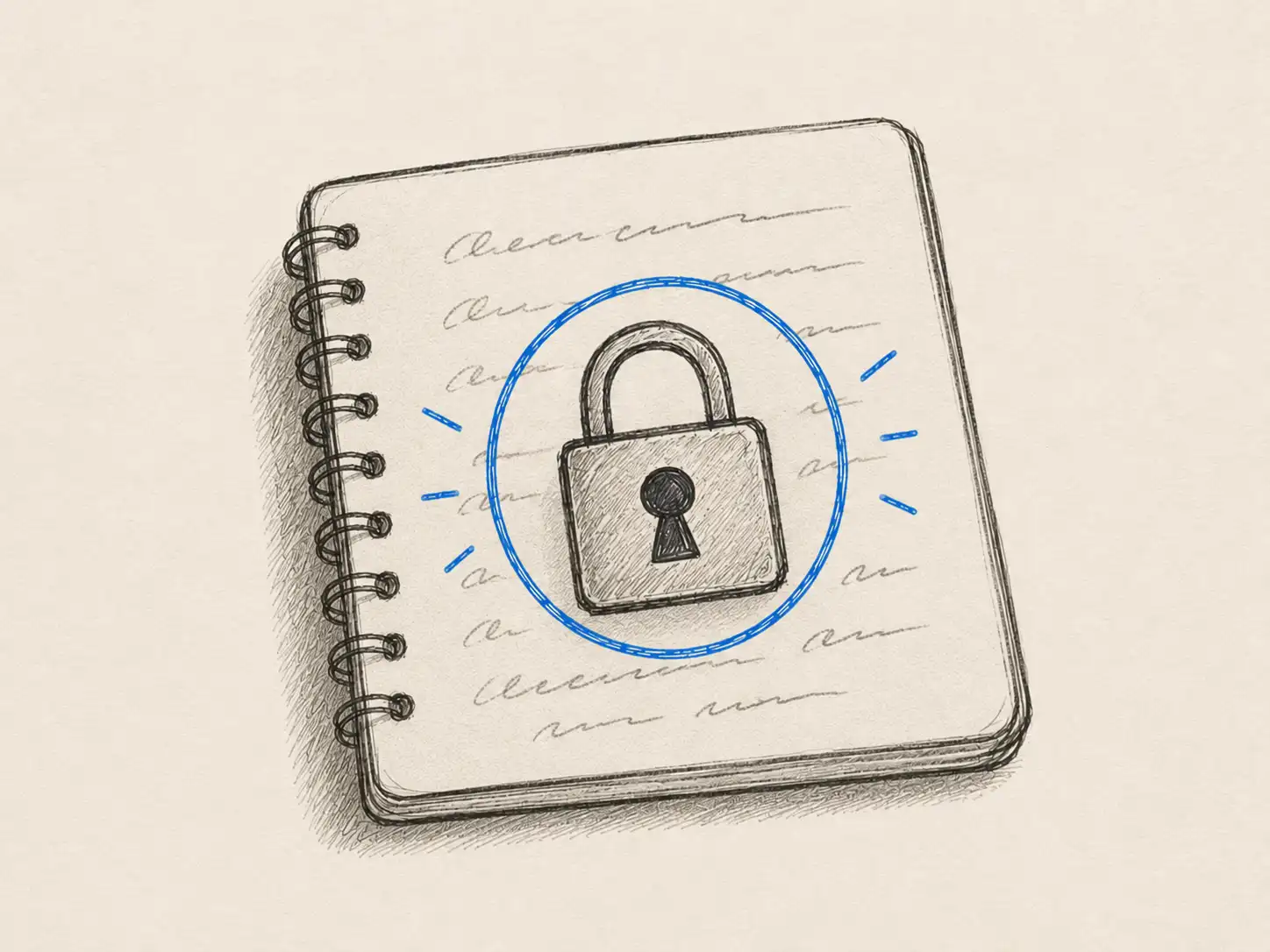
HIPAA compliance requires administrative, physical, and technical safeguards to protect electronic Protected Health Information. For OCR processing, this means encryption during transmission and storage, access controls limiting who can view documents, audit logging of all document access, and secure deletion after processing completion.
Your documents remain private throughout the OCR process. Files are processed only to deliver results to you, not used for training AI models or shared with third parties. This addresses a primary concern for insurance companies handling sensitive medical information, financial records, and personal data.
Data retention follows HIPAA requirements. HIPAA-related records must be kept for six years from creation date or the date last in effect. However, processed documents can be deleted immediately after extraction if your organization maintains the structured output data, reducing storage liability.
Your insurance documents are processed securely with encryption, access controls, and audit trails that meet HIPAA requirements.
Both electronic and paper format originals require appropriate safeguards. For paper documents scanned for OCR processing, both formats must be secured with appropriate controls to prevent unauthorized access and viewing. Implementing secure scanning stations and controlled document disposal protects the entire digitization workflow.
Audit Trails and Documentation Requirements
HIPAA compliance demands thorough documentation of data handling. Organizations must maintain documentation of policies, training, risk assessments, incident responses, and audit logs related to patient health information.
OCR systems supporting insurance operations provide audit trails showing when documents were processed, who initiated processing, what data was extracted, and when files were deleted. This creates the paper trail necessary for compliance audits and incident investigation.
Documentation must cover authorization for every patient whose information is processed, accounting for PHI disclosure, written accounting provided to individuals, and titles of people who receive and process requests. Automated logging in OCR systems captures this information without manual record-keeping burden.
ROI and Efficiency Gains for Claims Managers
Claims managers evaluating OCR automation focus on measurable operational improvements and cost reduction. The return on investment appears in multiple areas across the claims workflow.
Time Savings: From Days to Hours
Insurers implementing claims automation report processing time reductions of 40-75% depending on claim complexity. This acceleration stems from eliminating manual data entry, which represents the primary time sink in traditional workflows.
Consider a typical property and casualty insurer processing 10,000 claims monthly. At 15 minutes average manual data entry time per claim, that represents 2,500 staff hours monthly. OCR reducing this to 2-3 minutes for review and validation cuts the time to 500 hours, freeing 2,000 hours for higher-value activities like investigation and customer communication.
The time savings multiply during surge events. Following hurricanes, wildfires, or other catastrophes, claim volumes spike while manual processing capacity remains fixed. Insurance claims processing OCR maintains consistent processing speed regardless of volume, preventing backlogs that delay payouts when customers need them most.
Cost Reduction Per Claim
Standard claims processing costs decrease by 30-40% from $40-60 to $25-36 per claim through automation. Complex claims see similar reductions from $200+ to $120-140 per claim. These savings result from reduced labor hours, fewer errors requiring rework, and faster cycle times reducing carrying costs.
The broader operational cost impact is significant. Operational costs have been reduced by 42% overall through claims automation, with policy administration costs seeing 50% reduction in organizations implementing comprehensive document automation.
Conservative estimates place automation savings at 15-20% minimum, though some implementations report up to 30% cost reduction. ROI typically materializes quickly, with typical ROI achievement in under 90 days through automation of routine tasks.
One insurance company achieved $800,000 to $1 million in annual cost reduction after implementing document automation to address manual processing inefficiencies.
For claims managers presenting business cases to leadership, these metrics provide concrete justification. The combination of reduced processing costs, increased throughput capacity, and improved customer satisfaction through faster claim resolution creates compelling ROI.
Reducing Claims Backlog
Backlogs represent both operational and financial risks. Claims intake automation not only saves labor but also reduces errors that trigger regulatory penalties, which can reach millions monthly for healthcare claims processing delays.
Insurance document digitization addresses backlog root causes rather than just symptoms. Manual processing creates bottlenecks because capacity is fixed while demand fluctuates. Automated data extraction scales elastically, processing additional documents without proportional cost increases.
Implementation results demonstrate the impact. One insurance provider deployed AI-driven automation for motor claims that automated 91% of decisions, reduced processing time by 46%, and increased customer satisfaction by 9%. The automation eliminated the backlog while improving outcomes.
For existing backlogs, OCR enables rapid catch-up. Batch processing of accumulated documents can clear months of backlog in days, providing immediate relief while establishing sustainable ongoing processing capacity.
Integration with Insurance Management Systems
Insurance form OCR delivers maximum value when integrated with existing insurance platforms rather than operating as an isolated tool. Integration eliminates duplicate data entry and enables end-to-end workflow automation.
API Connectivity to Core Platforms
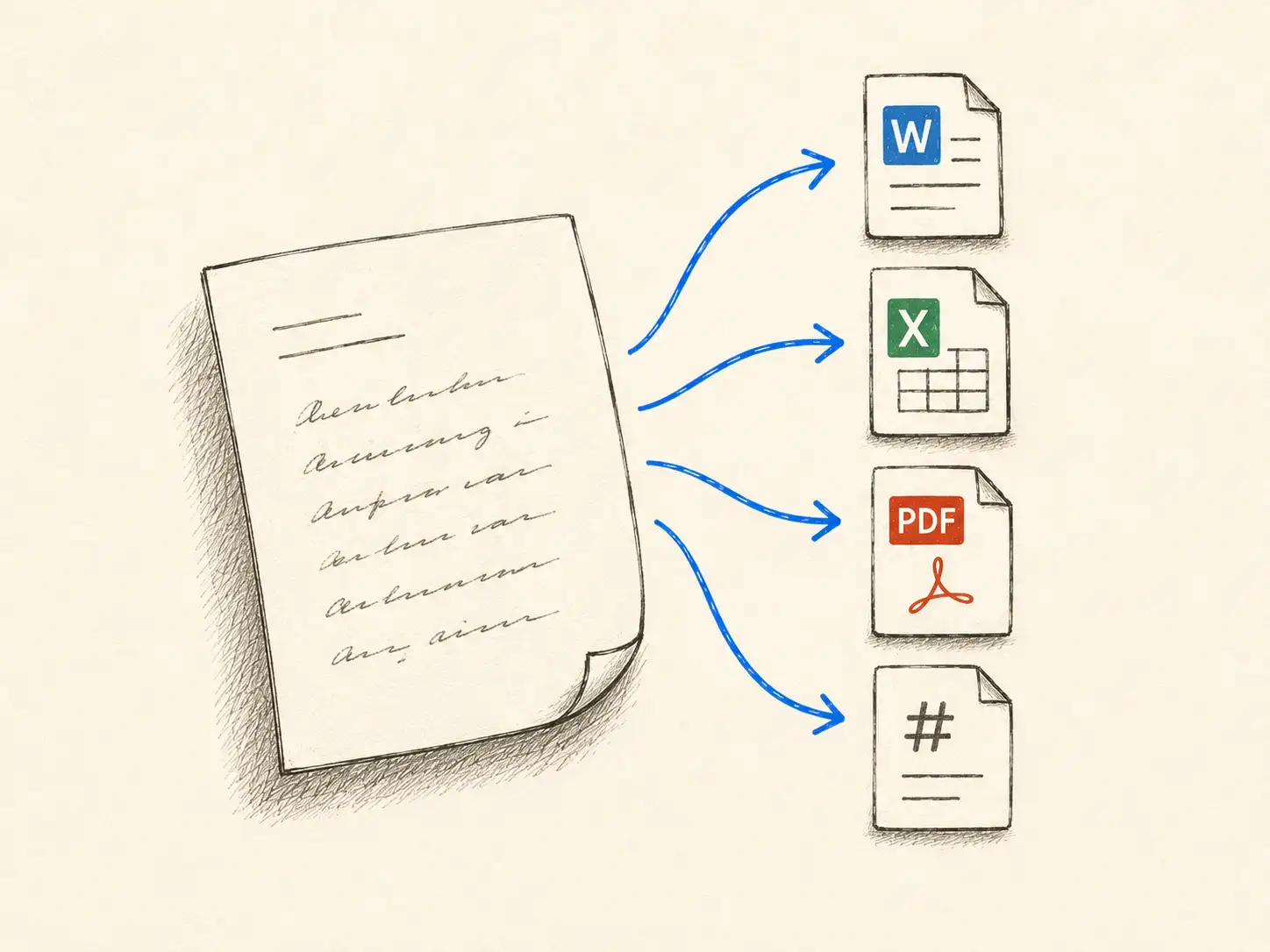
Modern insurance document processing solutions provide API connectivity to integrate with core insurance platforms including policy administration systems, claims management software, and CRM systems. This enables automated data flow without manual re-entry or system replacement.
Integration architectures vary based on existing infrastructure. Pre-built connectors can link directly to policy admin, claims platforms, and CRM systems. For custom systems, open architecture and API capabilities enable integration with proprietary platforms.
The technical implementation focuses on seamless data transfer. OCR systems extract claim data, validate against business rules, and push structured records directly into claims management systems through API calls. This happens in real-time for immediate claim assignment and processing initiation.
For organizations running multiple systems, OCR acts as a data hub. A single document may require data distribution to policy systems for coverage verification, claims systems for processing, billing systems for payment, and document management systems for archival. API integration orchestrates this distribution automatically.
Workflow Automation Capabilities
Beyond data extraction, integration enables intelligent routing and workflow automation. AI models classify document types automatically, routing claims forms versus loss runs versus medical records through appropriate processing rules without manual intervention.
Business rules applied to extracted data trigger automated actions. A claim exceeding authority thresholds routes to senior adjusters automatically. Missing required information generates requests for additional documentation. Suspicious patterns flag for fraud investigation. These rules execute immediately upon data extraction, accelerating downstream processing.
Multi-channel document capture integrates all intake points into unified workflows. The system ingests documents from every channel including email attachments, portal uploads, and scanned mail, converting them into searchable, processable data flowing through the same automated workflows.
The result is true straight-through processing for qualifying claims. From document receipt to claim assignment to initial decision, automation handles the entire workflow without manual intervention. This level of automation is what drives the 75-85% processing time reductions reported by leading implementations.
Getting Started with Insurance Form OCR
Implementing OCR for insurance documents requires evaluating your specific needs and existing infrastructure. Start by identifying the highest-volume handwritten document types creating processing bottlenecks.
Pilot programs deliver the best results. Select a specific document type, such as FNOL forms or adjuster notes, and process a subset through OCR while maintaining parallel manual processing. This validates accuracy, identifies integration requirements, and demonstrates ROI before full-scale implementation.
Consider your compliance requirements from the outset. For health insurance documents containing PHI, HIPAA compliance is non-negotiable. Verify that any OCR solution implements required safeguards including encryption, access controls, audit logging, and proper data retention policies.
Integration capabilities determine long-term value. Evaluate API availability, pre-built connectors for your existing systems, and support for your document management infrastructure. The goal is automated data flow from OCR extraction through claim processing without manual handoffs.
Quality control processes ensure accuracy. Even with high OCR accuracy rates, implementing validation rules and human review for flagged items maintains quality standards. This hybrid approach combines automation efficiency with human judgment for complex or ambiguous cases.
HandwritingOCR offers enterprise-grade solutions designed for insurance document processing. Your forms are processed securely with HIPAA-compliant safeguards, delivering accurate data extraction while maintaining the privacy and security your operations require. Results integrate directly with your claims management systems, eliminating manual data entry and accelerating claim resolution.
Conclusion
Insurance claims processing faces ongoing pressure to reduce costs while improving speed and accuracy. Handwritten forms represent a persistent challenge, creating processing backlogs and consuming staff time through manual data entry.
OCR technology transforms this challenge into an automation opportunity. By accurately extracting data from handwritten claim forms, intake documents, and supporting materials, insurance form OCR reduces processing time by 55-75% and cuts costs by 30-40% per claim. These improvements appear quickly, with typical ROI achieved within 90 days.
The technology maintains compliance through HIPAA-aligned safeguards protecting Protected Health Information. Integration with insurance management systems enables end-to-end workflow automation, eliminating manual handoffs and accelerating claim resolution.
For claims managers facing processing backlogs, rising costs, or capacity constraints, insurance document digitization provides a proven path to operational improvement. The combination of speed, accuracy, compliance, and integration delivers measurable results that impact bottom-line performance.
Ready to transform your insurance document processing? Try HandwritingOCR free with complimentary credits and see how quickly handwritten claim forms become structured digital data.
Frequently Asked Questions
Have a different question and can’t find the answer you’re looking for? Reach out to our support team by sending us an email and we’ll get back to you as soon as we can.
Can OCR accurately read handwritten insurance claim forms?
Modern AI-powered OCR can accurately extract data from handwritten claim forms, even with varying handwriting styles. While accuracy depends on handwriting quality, advanced systems approach 97% accuracy on well-prepared documents. For critical insurance data, OCR results should include human review for quality control.
Is insurance document OCR HIPAA compliant?
OCR solutions can be HIPAA compliant when they implement required safeguards for Protected Health Information. This includes encryption during processing, secure data handling, audit trails, and proper documentation retention. Your documents remain private and are processed only to deliver results, not used for training AI models.
How much time can OCR save on insurance claims processing?
Insurance companies report reducing claims processing time by 55-75% through OCR automation. Routine claims that previously took 7-10 days can be processed in 24-48 hours. This translates to processing hundreds of claims per week instead of manual data entry taking days per claim.
What types of insurance forms can OCR process?
OCR handles various insurance documents including FNOL forms, claim submissions, medical records, policy applications, intake questionnaires, adjuster notes, authorization forms, and supporting documentation. The technology works with both printed and handwritten text across different form layouts.
Does insurance OCR integrate with existing claims management systems?
Yes, modern OCR solutions provide API connectivity to integrate with core insurance platforms including policy administration systems, claims management software, and CRM systems. This enables automated data flow without manual re-entry or system replacement.