
Built for handwriting, not only print
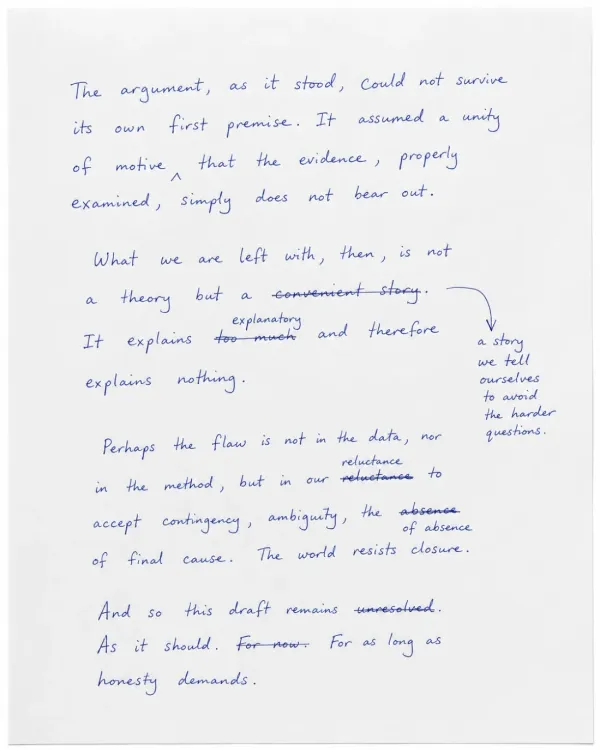
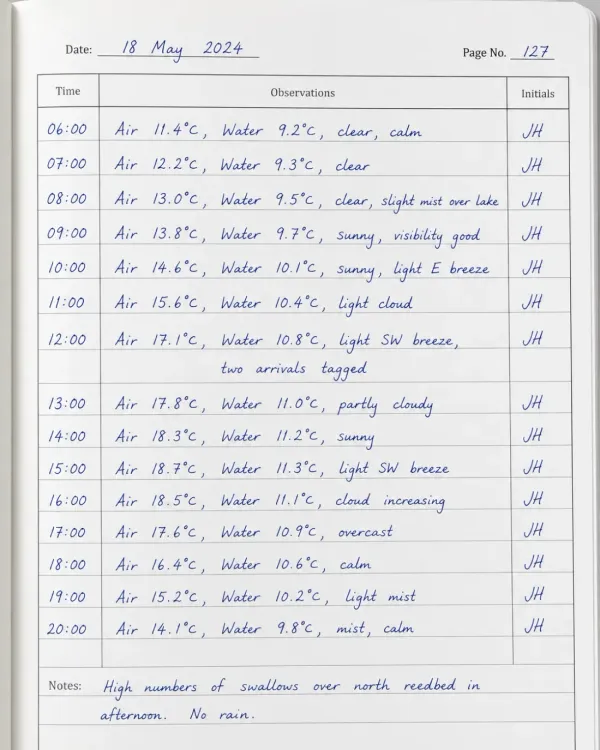
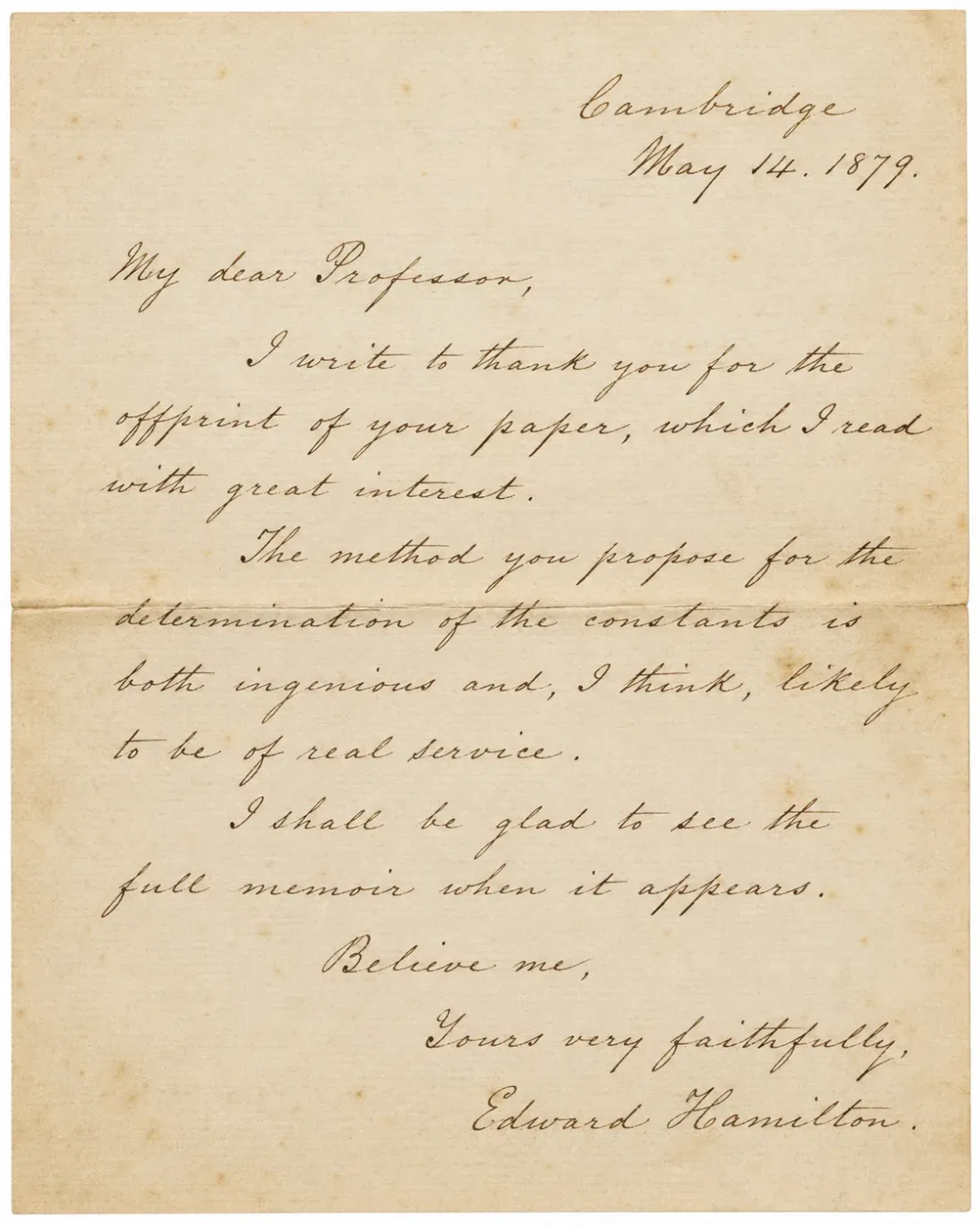
Process connected cursive, dated entries, annotations and mixed printed and handwritten pages. Test the hands and layouts that matter before committing a collection.
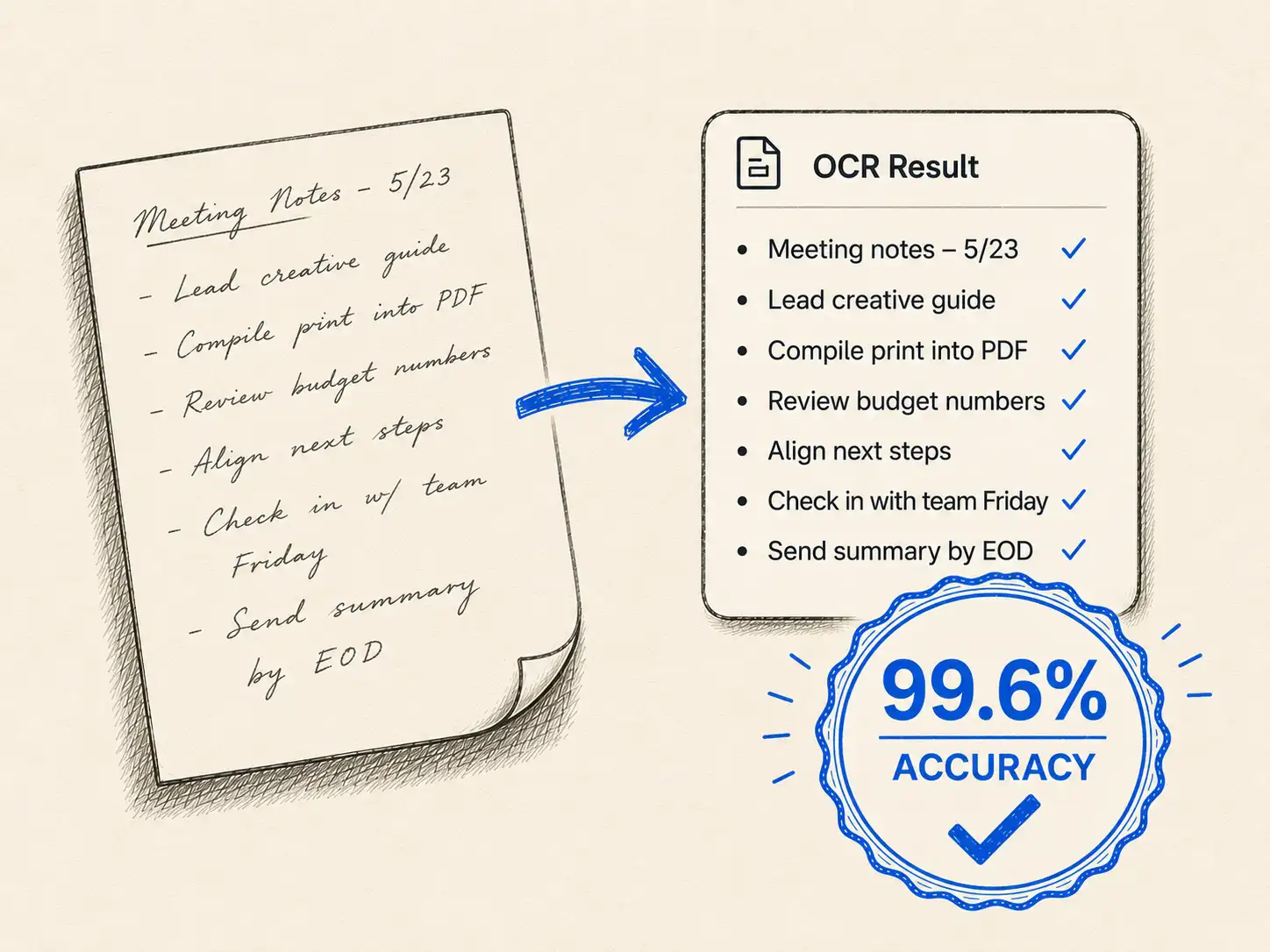
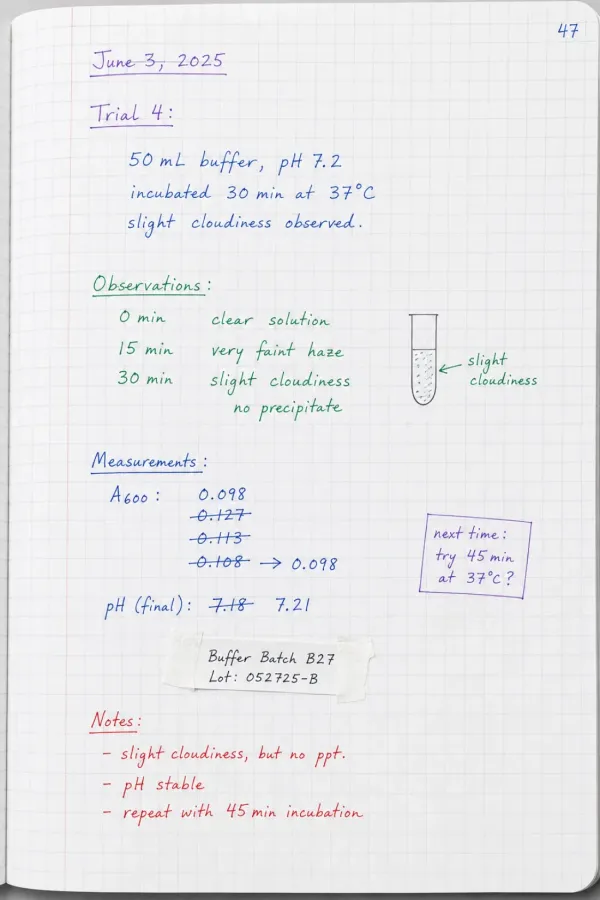
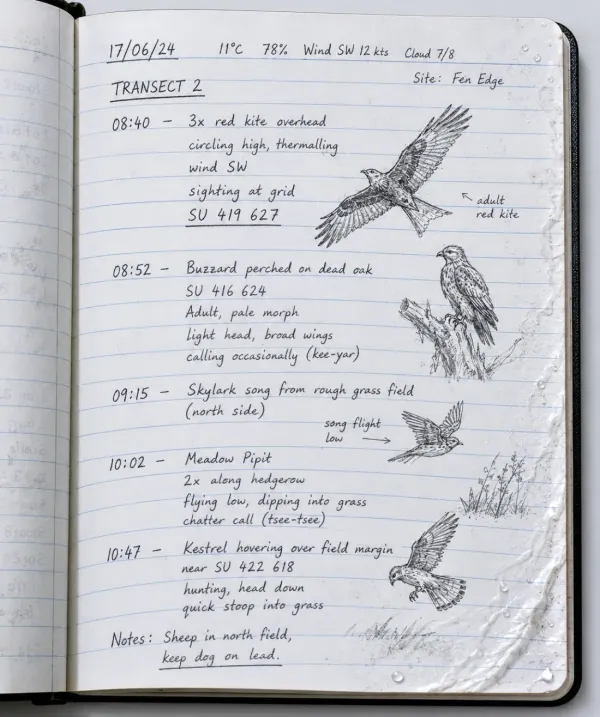
Convert lab notebooks, field notes, interview notes and unpublished manuscripts into text you can search, review and analyse. Test a representative sample yourself, or ask us to assess a defined funded collection and the output your project needs.
No card needed. Under 1% word error rate on everyday handwriting.


How it works
A representative sample is more useful than a general accuracy promise. Include common pages and the cases most likely to fail, then choose the route that fits the size, output and responsibility boundary of the project.
 1
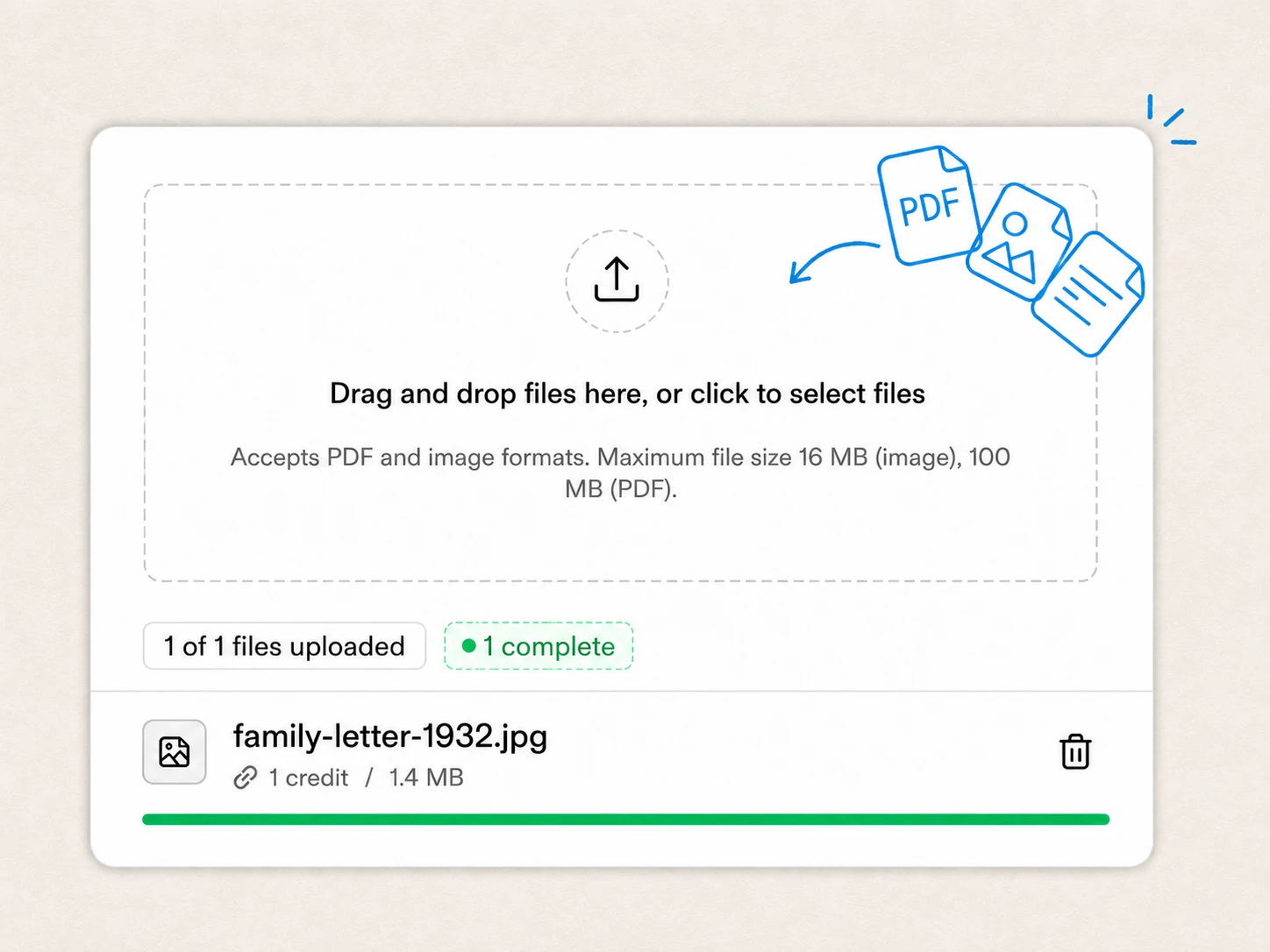
1 Include ordinary pages plus poor scans, layout variants, different hands or languages, marginalia, tables and missing values where they occur. Split two-page spreads before testing.
 2
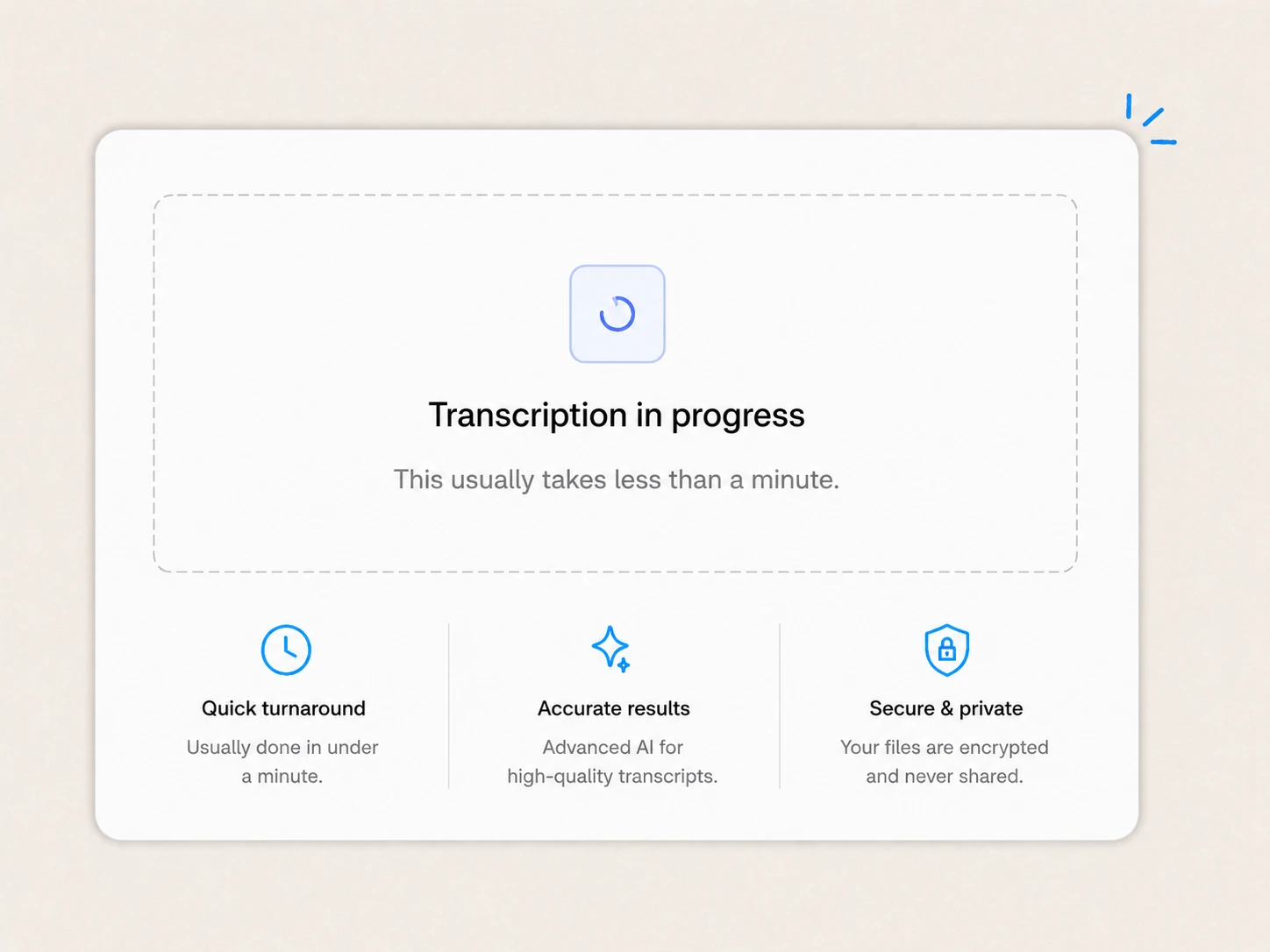
2 Use transcription for reviewable text, table extraction for tabular data, or agreed custom fields where the source is consistent. Check names, dates, measurements, reading order and coverage against the original.
 3
3 For a smaller or customer-operated job, continue in the dashboard or API. For a funded collection needing preparation, agreed checks or structured delivery, request a managed assessment before the bulk run.
Research workflow
Results depend on the handwriting, scan and layout. Test what matters, then choose a route with clear output and review responsibilities.
Process connected cursive, dated entries, annotations and mixed printed and handwritten pages. Test the hands and layouts that matter before committing a collection.
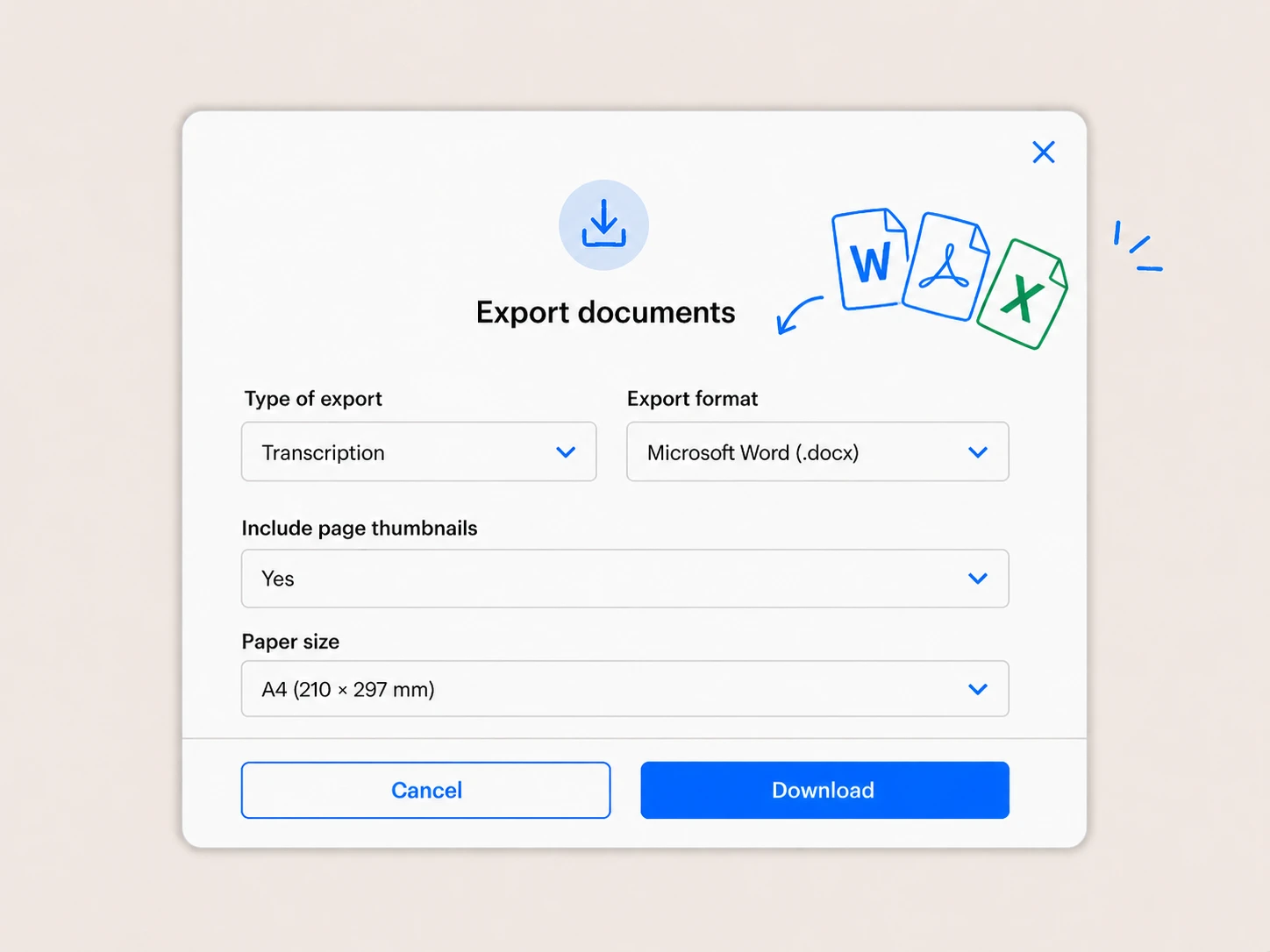
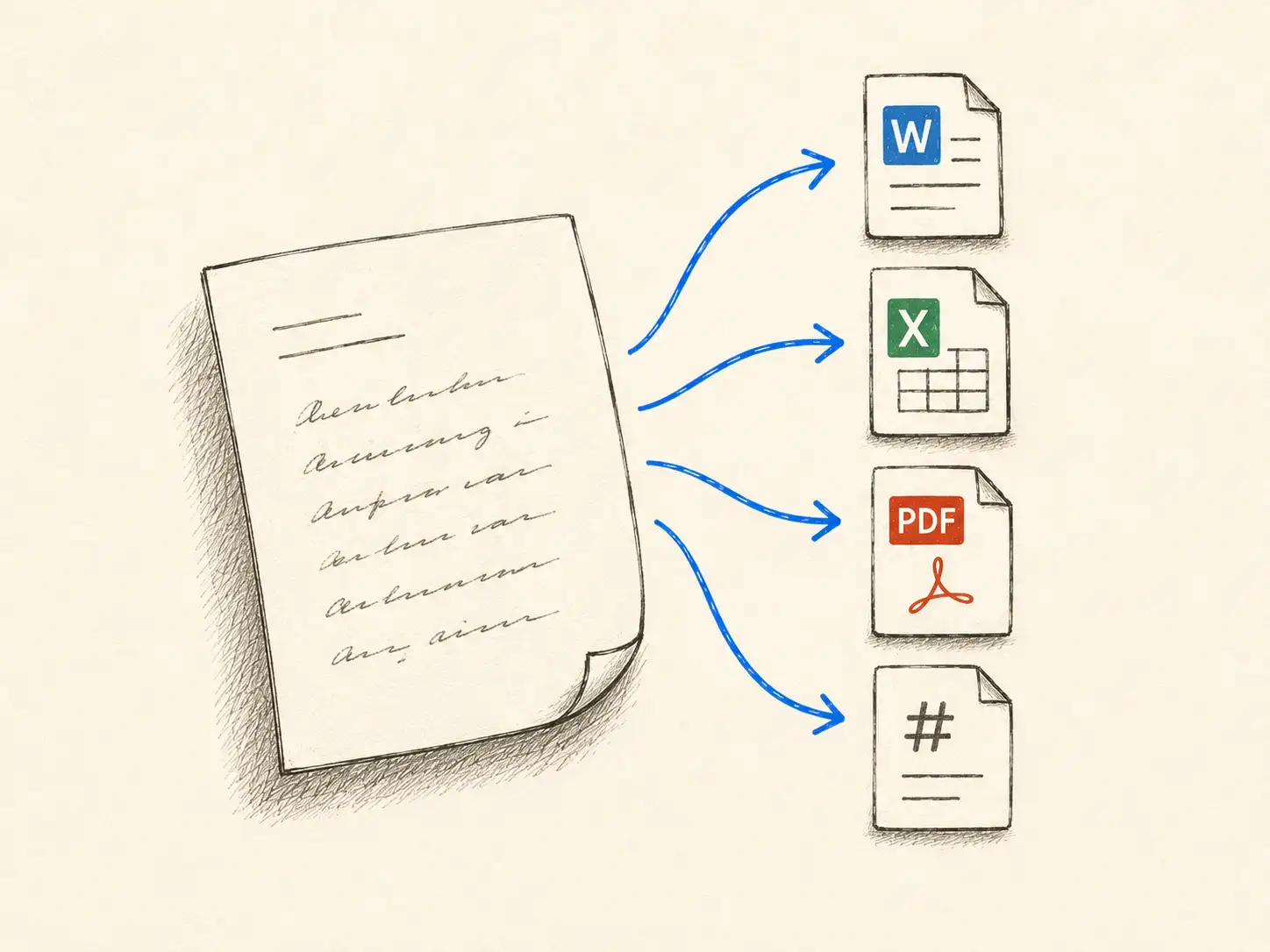
Export transcription as DOCX, TXT, PDF or JSON. Eligible table and custom-extractor workflows can return XLSX, CSV or JSON. Confirm the exact output and structure during a managed assessment.
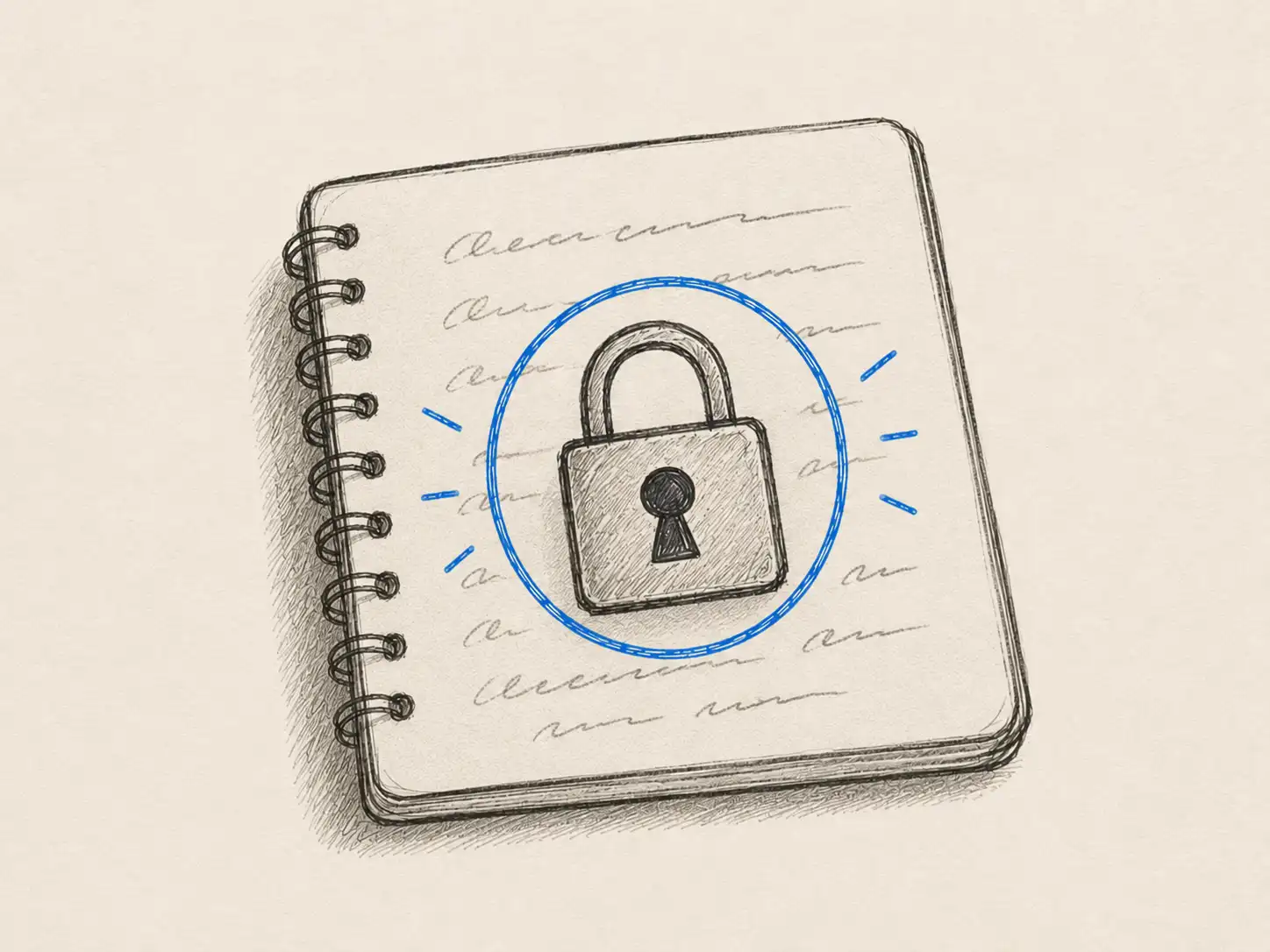
Documents auto-delete after the retention period set for the account, with seven days as the default. Confirm eligible account configuration before submitting material with contractual or procurement requirements.
A managed project can cover sample review, agreed processing and checks, exception handling and specified delivery. It does not imply that every character receives human verification.
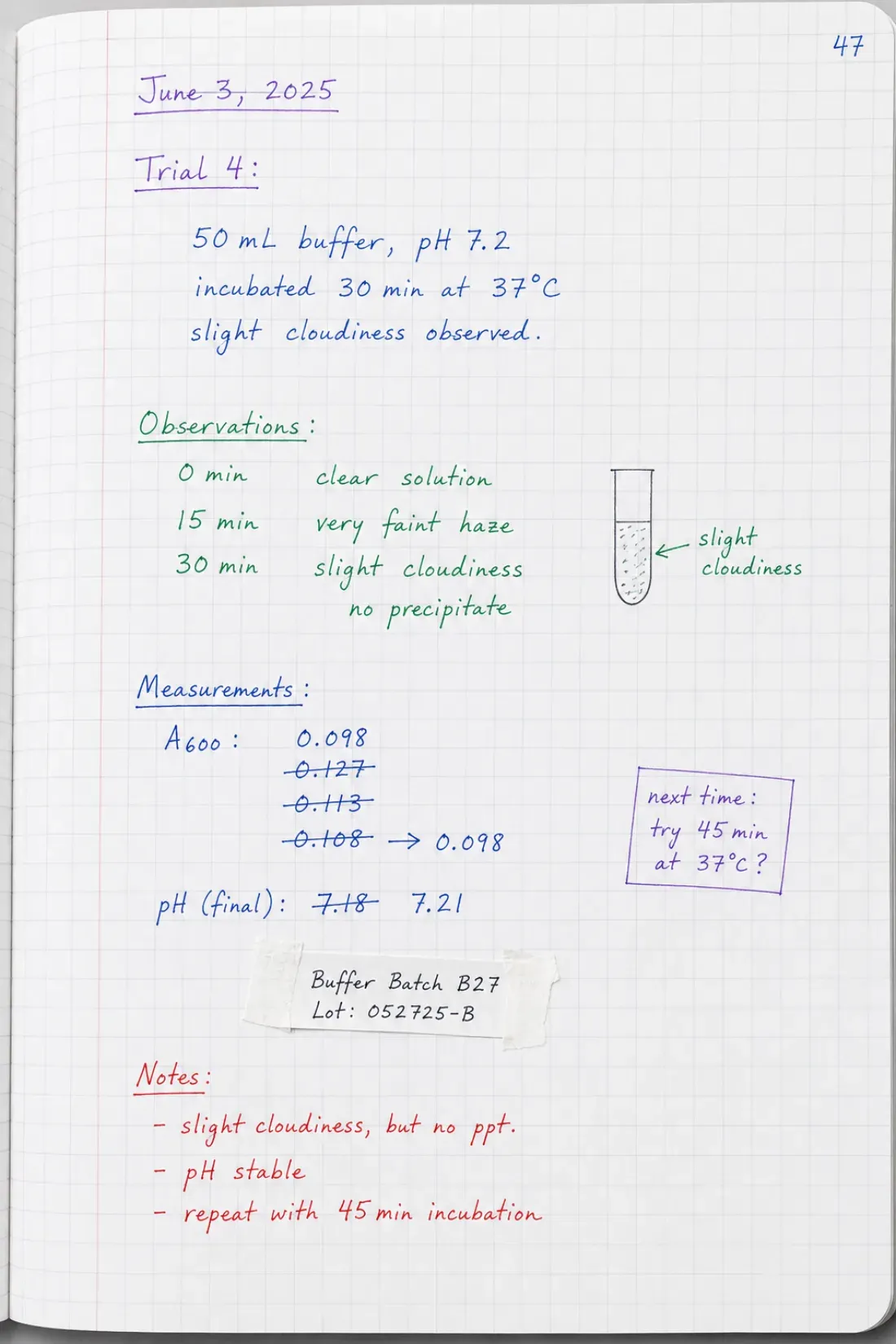
Lab and field records
Include different hands, dated entries, marginalia, poor scans, tables and layout changes in the sample. Check critical names, dates, measurements and reading order against the source.
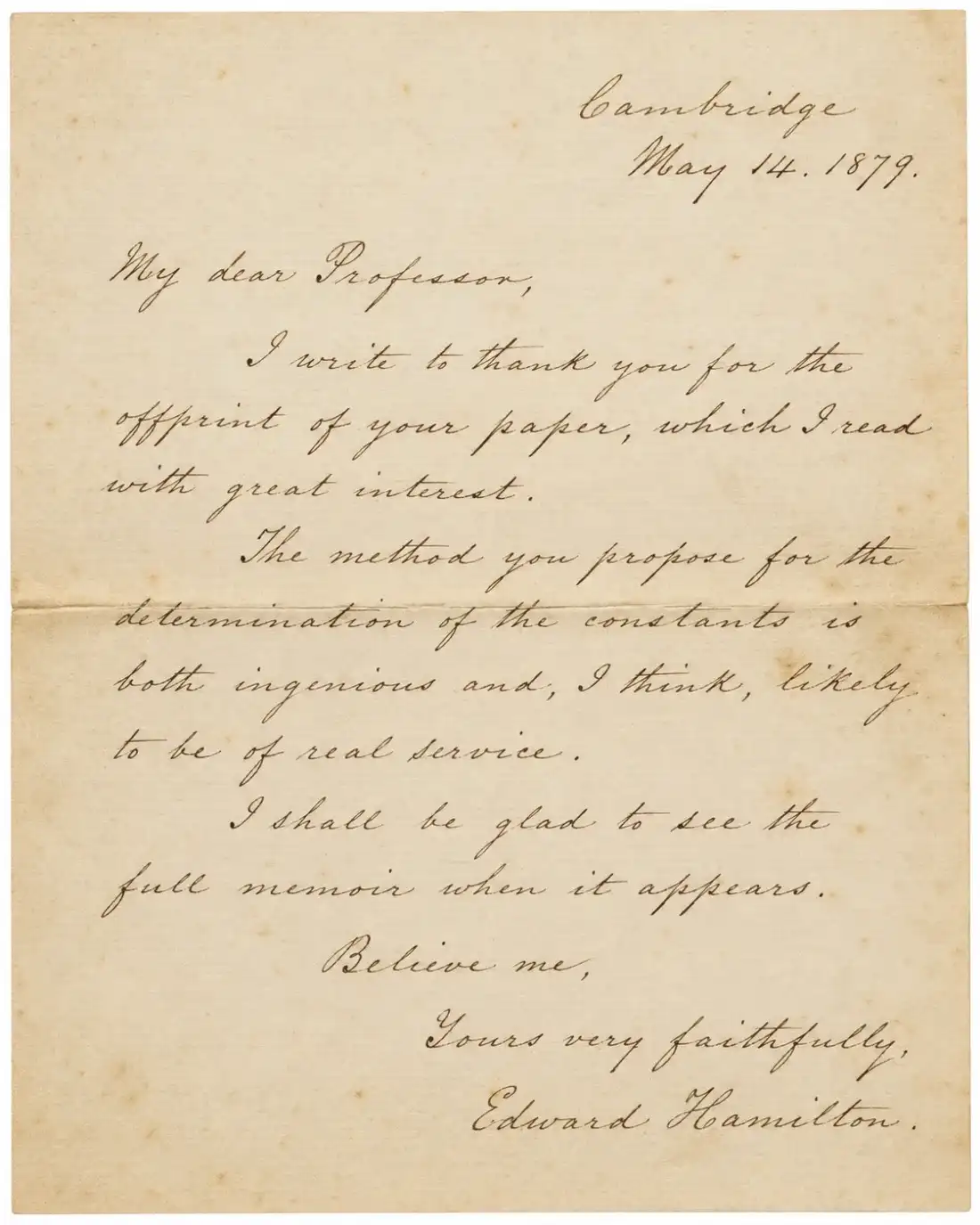
Archives and manuscripts
A funded collection assessment should state who prepares files, the processing and checks included, the delivery format, the correction boundary and how exceptions or scope changes are handled.
Pricing
Pay-as-you-go credits or monthly subscriptions. Cancel any time.
No commitment
One-time purchase. Valid for 1 year.
250 pages / month
Billed monthlyBilled annually
1,000 pages / month
Billed monthlyBilled annually
10,000 pages / month
Billed monthlyBilled annually
Credits never expire while your subscription is active, and your documents are never used to train our models.
For higher volumes, dedicated instances, offline deployment, or any other custom requirements, see Handwriting OCR for Enterprise or contact us.
FAQ
Any other questions? Get in touch and we'll answer right away.
Choose a representative set that includes common pages and difficult cases: different hands, poor scans, layout variants, tables, marginalia, mixed languages, blanks and missing values where present. Decide which facts and structures matter, compare the result with the original, and test the export in the tool that will consume it.
Yes, subject to a sample and scope review. Your team can operate a large job through the dashboard or API, or request a managed project where preparation, processing, agreed checks, exception handling and delivery responsibilities are set before the bulk run.
Transcription can be exported as DOCX, TXT, PDF or JSON. Table and eligible custom-extractor workflows can return structured formats including XLSX, CSV or JSON. For a managed project, agree the fields, file grouping, ordering and correction boundary before processing.
Documents auto-delete after the retention period set for the account, with seven days as the default. If your project requires a DPA, EU-only processing and storage, specific access controls or another contractual arrangement, contact us before submitting restricted material so eligibility and configuration can be confirmed.
Representative samples first
Run representative pages yourself, or send a defined funded collection for an assessment of fit, output and delivery responsibility. For the managed route, request a project assessment from the contact page.
No card needed. Your documents are never used to train our models.
Self-service or managed
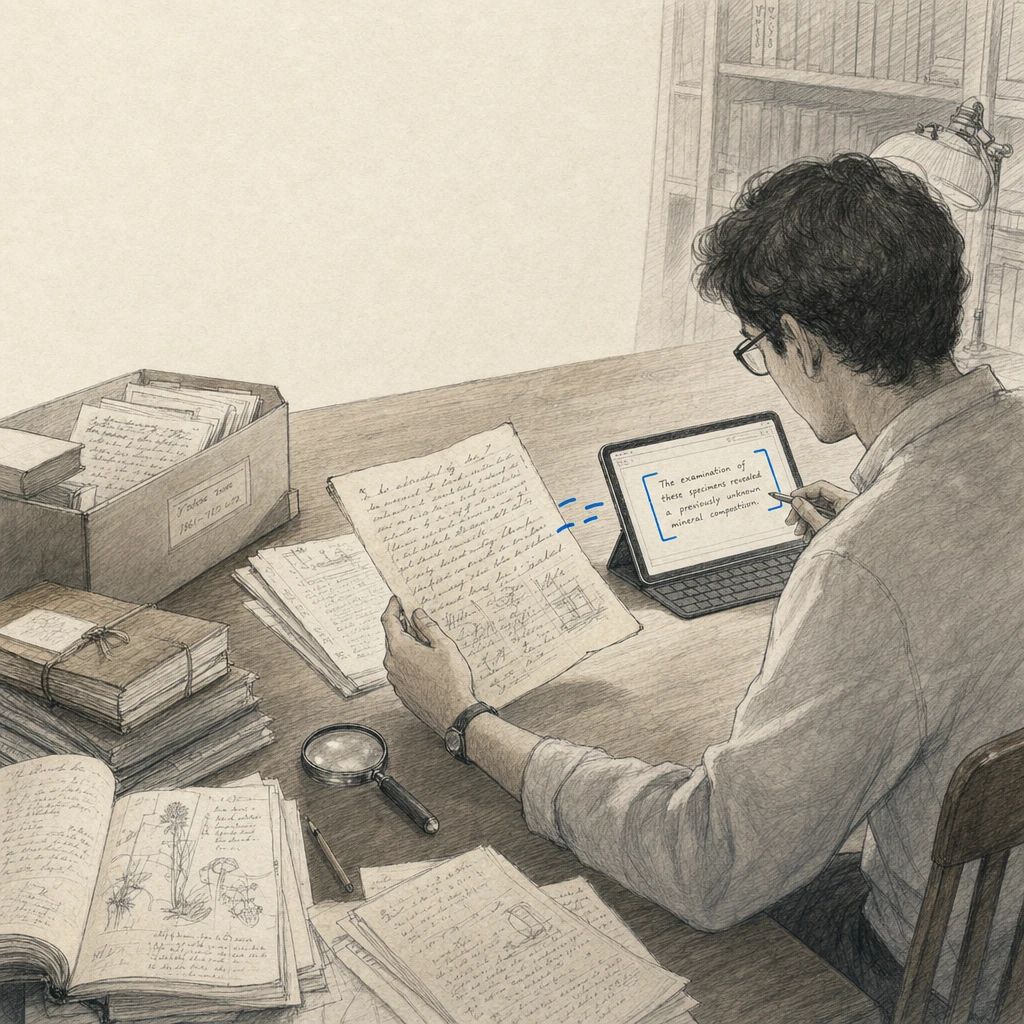
Use self-service when your team can prepare the files, run the documents and check the output. It is the fastest route for a notebook, a small archive or an ongoing workflow your team wants to operate. Test sample pages with free trial credits, then choose pay-as-you-go or a subscription if the result is useful.
Use a managed research or archive project when the collection is defined and funded, the output must follow an agreed structure, or your team wants to procure a delivered result rather than supervise a processing pipeline. Request a project assessment before transferring the full collection.
Send the approximate source-page count, representative sample files, languages and layout variation, desired output, current file readiness, target date and any privacy or procurement constraints. A useful sample includes ordinary pages and the difficult edge cases, not only the cleanest scans.
We first decide whether the standard product is sufficient. Where a managed route is appropriate, the scope should state who prepares the files, which processing and checks are included, the delivery format, correction boundary and how scope changes are handled. A suitability review is not a promise of perfect transcription or unlimited manual correction.
For one disclosed archive example, read how a 10,000-page collection was tested and transcribed. Treat that as one project’s evidence, not a guarantee for another collection. For cursive-specific comparison evidence, see reading cursive to text. If you want the done-for-you route, review the managed handwriting transcription service.
Handwriting quality, scan condition, page layout and specialised notation affect results. Complex chemical structures, isolated formulae, marginalia and ambiguous reading order need close review. The service does not provide per-word confidence scores or bounding boxes, and it does not create an invisible searchable-text layer over the original PDF. Test the actual source and required output before fixing a bulk scope.